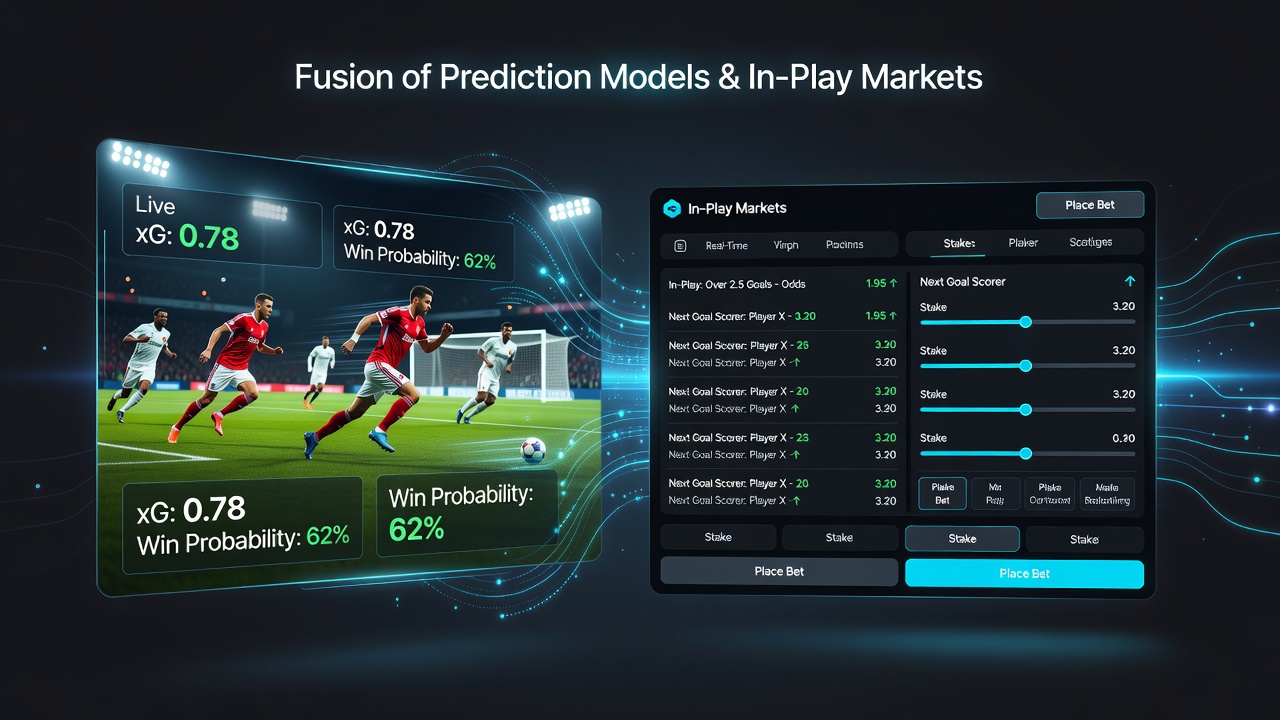
Prediction Algorithms Transform In-Play Football Markets Across Leading Betting Sites
Established betting platforms have integrated prediction models directly into their in-play football offerings, creating dynamic markets that update in real time based on algorithmic outputs; these systems process player statistics, team formations, weather conditions, and historical performance data to generate probabilities that influence odds during matches. Observers note that this fusion allows platforms to maintain market liquidity even as events unfold rapidly on the pitch, with models recalibrating expectations after each significant action such as a goal, substitution, or red card.
Data from industry reports indicates that major operators began expanding these integrations around 2024, and by July 2026 the approach had become standard across many European and international sites. Researchers at academic institutions have examined how machine learning techniques, including neural networks and regression models, feed into these systems to forecast outcomes like next goalscorer or corner counts with greater frequency than traditional methods alone.
Core Components of the Integration Process
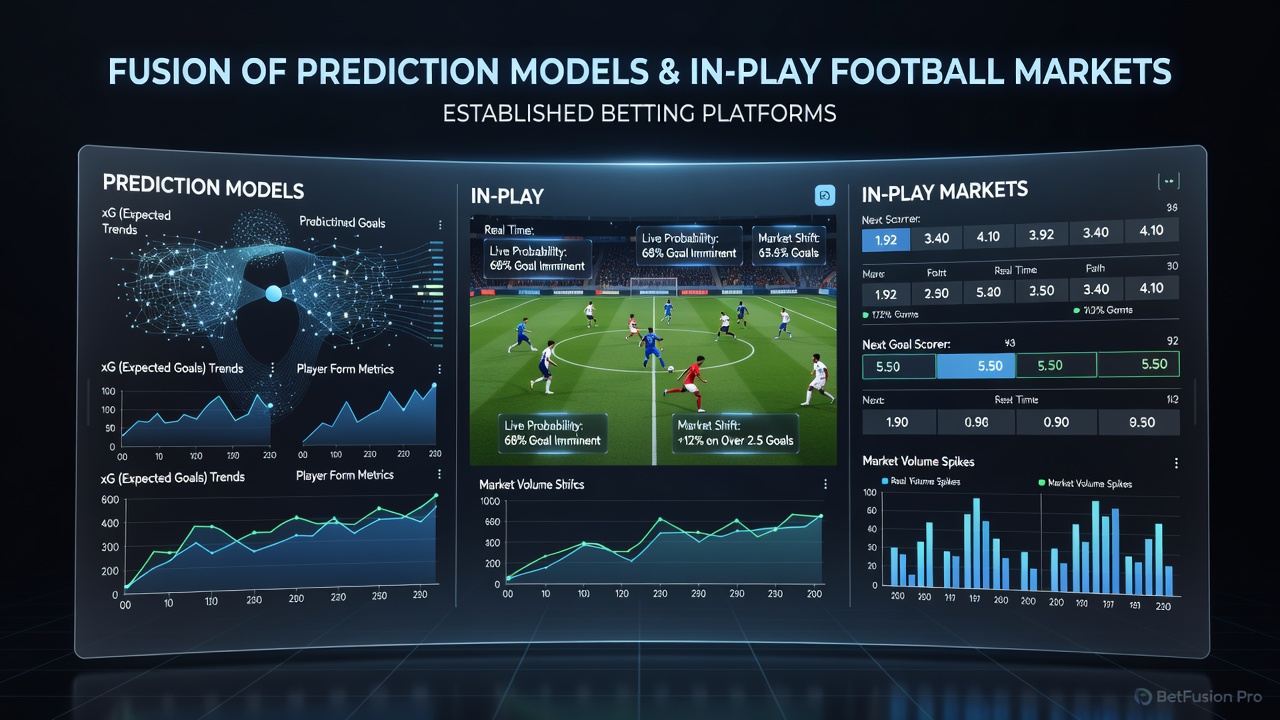
Prediction models operate through layered data pipelines that pull live feeds from match tracking technology while simultaneously incorporating pre-match baselines; the resulting outputs adjust market prices continuously, which helps platforms respond to volume shifts without manual intervention. Those who have studied these platforms observe that bookmakers often combine multiple models, one focused on short-term momentum and another on long-term season trends, to balance immediate fluctuations against broader patterns.
Established exchanges use these tools to set parameters for over-under markets and both-teams-to-score propositions that evolve within seconds of new information arriving; this setup supports higher trading volumes during peak fixtures because users encounter odds that reflect the latest algorithmic consensus rather than static assumptions.
Impact on Market Liquidity and User Engagement
Figures from platform analytics reveal increased participation in in-play football sections after prediction model rollouts, as bettors gain access to more granular options such as expected goal differentials updated mid-match. Industry organizations tracking global trends have documented how these enhancements help maintain steady order books even during periods of high volatility, since automated systems can widen or tighten spreads based on projected probabilities.
One case highlighted by researchers involves a top European league match where an algorithm detected an uptick in pressing intensity from one side and adjusted related markets accordingly within 30 seconds; users on the platform then placed wagers aligned with the revised figures, demonstrating the direct link between model output and trading activity.
Regulatory and Technical Considerations
Government bodies in various regions have begun reviewing how these automated systems comply with fairness standards, particularly when models incorporate data from third-party providers; the Australian Gambling Research Centre has published findings on responsible implementation practices that emphasize transparency in how predictions influence displayed prices. Australian Gambling Research Centre reports note that clear disclosure of model limitations helps operators avoid disputes during live events.
Technical teams at betting firms also address latency issues by deploying edge computing solutions that process predictions closer to the data source, which reduces delays between match events and odds revisions; this infrastructure supports the seamless operation of in-play markets across multiple continents simultaneously.
Future Developments in Model Accuracy
Studies from university research groups continue to explore enhancements such as incorporating video analysis and biometric player data into existing frameworks, which could further refine forecasts for metrics like shot quality and defensive positioning. The National Council on Problem Gambling in the United States has examined related data sets to assess how these tools affect session lengths among users engaging with live football products. National Council on Problem Gambling materials indicate that ongoing monitoring remains essential as integration deepens.
Platforms have started testing hybrid approaches that blend algorithmic outputs with occasional human oversight during exceptional circumstances, such as weather disruptions or crowd incidents, ensuring that markets remain responsive without becoming entirely autonomous.
Conclusion
The fusion of prediction models with in-play football markets on established platforms has produced measurable shifts in how odds are generated and traded, supported by advancements in data processing and regulatory oversight across multiple jurisdictions. Continued examination by academic and industry bodies will likely shape the next phase of these systems as they evolve through 2026 and beyond.