
Platform Algorithms Redefine Real-Time Football Betting Dynamics
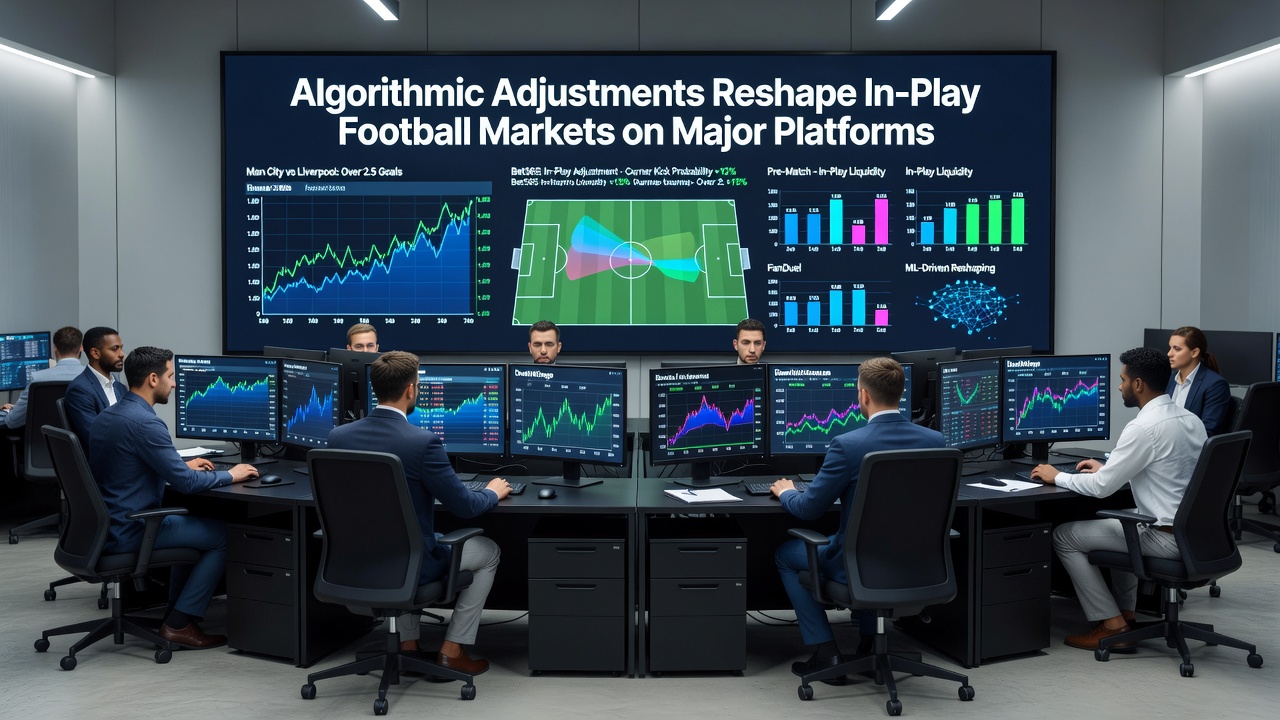
Algorithmic systems now handle the bulk of in-play football market updates on major betting platforms, adjusting odds within seconds of on-field events such as goals, cards, or substitutions. These systems rely on machine learning models trained on historical match data, player statistics, and real-time sensor inputs to recalculate probabilities across dozens of markets simultaneously. Data from July 2026 shows platforms processing over 1.2 million in-play adjustments per Premier League match weekend, a figure that reflects both expanded market offerings and faster computation cycles.
Core Mechanisms Behind the Adjustments
Modern algorithms combine multiple data streams, including optical tracking systems from stadiums and official league feeds, to generate updated probabilities for outcomes like next goal scorer or total corners. When a team gains possession in the attacking third, the model recalibrates expected goal values and immediately revises related markets. This process occurs without human intervention in most cases, although operators maintain oversight teams to flag anomalies during high-profile fixtures. One study released by the Canadian Centre for Gaming Research in early 2026 documented how these layered models reduced latency by 40 percent compared with 2024 baselines.
Impact on Major Betting Platforms
Leading operators have integrated these algorithmic layers into their core trading engines, allowing simultaneous management of live football alongside other sports. Markets for set pieces and player props now update in under three seconds on average, a shift that has expanded the range of available bets during matches. Platforms report that football accounts for roughly 65 percent of all in-play volume during the European season, with algorithmic pricing enabling deeper liquidity in secondary markets such as Asian handicaps and over-under segments. Observers note that smaller regional operators often license the same underlying models rather than building proprietary versions.
Regulatory and Industry Responses
Authorities outside the UK have begun examining how algorithmic pricing affects transparency and consumer outcomes. The Australian Gambling Research Centre published findings in June 2026 that examined disclosure requirements for automated odds changes, recommending clearer explanations for bettors when models trigger large swings. Industry groups such as the European Gaming and Betting Association have responded by developing voluntary standards for model auditing, while academic teams at several universities continue to analyze the statistical properties of these real-time systems. These efforts focus on verifying that adjustments remain consistent with available information rather than introducing systematic biases.
Market Evolution and Participant Behavior
Football bettors have adapted to faster price movements by shifting toward shorter-duration wagers and pre-set triggers rather than manual selections during matches. Trading desks at major platforms report increased use of automated bet placement tools that respond to specific algorithmic thresholds. Data released through the New Zealand Department of Internal Affairs in mid-2026 indicated steady growth in live football participation even as overall session lengths shortened, suggesting users engage more frequently but for briefer periods. Platform interfaces now highlight recent adjustments and historical volatility metrics to help users interpret rapid changes.
Future Developments in Algorithmic Trading
Developers continue to incorporate additional variables such as weather micro-data and referee-specific tendencies into football models, expanding the range of factors considered during in-play updates. Partnerships between betting platforms and sports data providers have accelerated, with several agreements announced in the first half of 2026 aimed at improving feed reliability. Researchers at institutions including the University of Sydney are examining how these enhancements influence market efficiency across different leagues and competition formats. The trajectory points toward even tighter integration between on-field technology and betting engines in the seasons ahead.
Conclusion
Algorithmic adjustments have become central to the operation of in-play football markets on major platforms, driving both the speed and scope of available betting options. Continued refinement of these systems, alongside regulatory scrutiny from multiple jurisdictions, shapes how operators and participants interact with live football wagering. The developments documented through mid-2026 illustrate an ongoing transition toward more automated and data-intensive market structures across the sector.