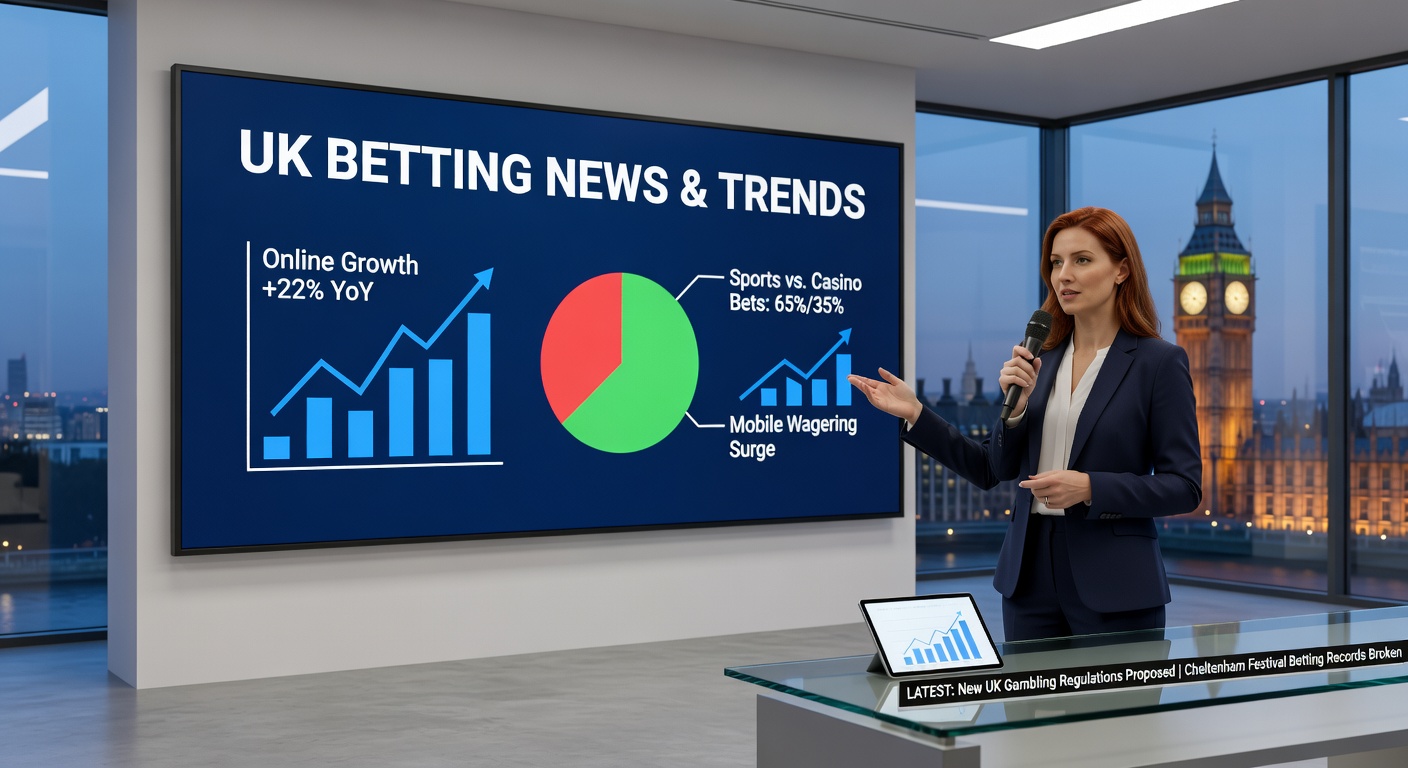
Nine Premier League Clubs Grapple with Sponsorship Shortfall as Shirt Gambling Ban Looms
The Sponsorship Squeeze Hits Home
With the 2026-27 Premier League season fast approaching, nine clubs find themselves unable to land sponsorship deals that match the value of those once provided by gambling firms, a stark reality tied directly to the upcoming ban on shirt-front gambling advertising. Clubs like Everton, West Ham, and others scramble for alternatives, yet reports from April 2026 reveal that these teams still lag behind, their front-of-shirt spaces either empty or filled with lesser-paying partners. Data from industry watchers shows this gap persists months after the ban's announcement, forcing teams to rethink revenue streams just as fixtures ramp up.
Turns out, the Premier League's move to outlaw visible gambling logos on matchday kits stems from years of regulatory pressure, and now those affected clubs face a financial pinch that echoes across the league. Observers note how gambling sponsors previously pumped millions into club coffers—deals worth tens of millions annually for some—yet replacements fall short by wide margins, leaving budgets strained for transfers, wages, and infrastructure.
But here's the thing: this isn't just about empty logos; it's a ripple effect hitting squad investments and fan experiences alike, especially as mid-table sides bear the brunt.
A Guardian Experiment Lays Bare Betting's Grip
In a detailed piece published on April 11, 2026, The Guardian delved into the heart of sports betting's allure through one journalist's hands-on trial, starting with a modest £10 stake aimed at scaling up to £1,000 via wagers on horse races and football matches. That experiment, meticulously tracked over weeks, ended in failure—not once hitting the target—while illustrating how betting platforms deploy psychological tactics engineered to foster addiction and consistent losses for most users. The account highlighted near-misses, escalating stakes, and the dopamine-fueled chase that keeps punters hooked, even as the house edge grinds away at bankrolls.
Experts who've dissected such mechanics point to features like variable rewards—much like slot machines—where wins feel tantalizingly close, prompting bigger bets; losses, on the other hand, trigger recovery plays that deepen the hole. One study from the National Council on Problem Gambling in the US underscores this, revealing how intermittent reinforcement in sportsbooks mirrors casino designs proven to boost engagement by up to 30% among vulnerable players.
What's interesting here is how the piece ties this personal flop to the broader Premier League context, showing why clubs leaned so heavily on betting cash in the first place—it's a sector built on volumes of small, frequent losses from fans chasing the thrill.
Clubs Named and the Ban's Timeline
The nine clubs grappling most visibly include Aston Villa, Brentford, Brighton, Crystal Palace, Fulham, Leicester City, Nottingham Forest, Southampton, and Wolves, according to league disclosures in early 2026; each had relied on gambling firms for prime shirt real estate, deals now vanishing under the ban set to kick in fully next season. Figures reveal some, like Aston Villa, secured partial replacements from non-gambling brands, but at 40-60% lower values, while others patch together sleeve or training kit sponsors to bridge the gap.
And yet, as April 2026 reports confirm, no full equivalents have materialized league-wide for these sides, prompting concerns over competitive balance—top clubs with global appeal snag tech or finance giants, but mid-pack teams circle back to local firms offering scraps. The Premier League's self-imposed rule, announced in 2024 and refined through consultations, phases out front-shirt gambling ads entirely by 2026-27, aligning with government pushes to curb problem gambling visibility at matches.
Broader Gambling Concerns Shadow the Pitch
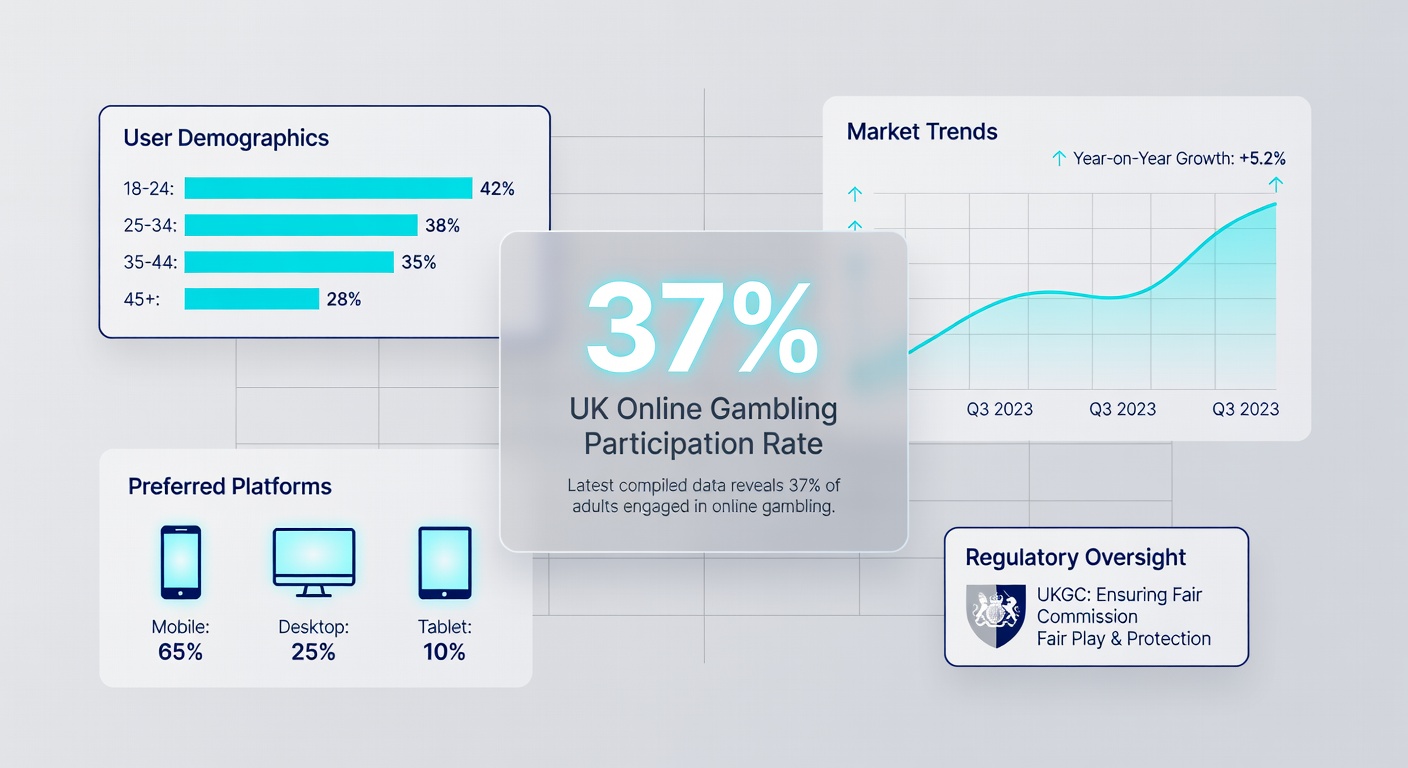
Up to 1.4 million UK adults grapple with gambling problems, per estimates cited in the Guardian report, a figure that underscores why the sponsorship ban gained traction despite the revenue hit. Researchers at the Australian Government’s Gambling Research program echo this scale internationally, noting similar prevalence rates where sports betting drives 40% of addiction cases due to its accessibility via apps and live odds.
Take one case from the experiment: the journalist's bets on horse races swung wildly on late scratches and form shifts, mirroring how football markets tempt with in-play adjustments that lure users deeper; football wagers fared no better, as accumulators crumbled under one upset result, a pattern data shows claims 95% of punters over time. Those who've studied betting psychology observe how "loss chasing" kicks in post-miss—bumping stakes to recover—while promotions like free bets dangle just enough wins to sustain the cycle, even as overall odds favor the book.
So, clubs now pivot to fintech, beverages, or e-commerce, but the transition proves bumpy; Nottingham Forest, for instance, landed a short-term deal worth half its prior betting tie-up, forcing tighter financial fair play compliance amid rising costs.
Psychological Hooks in Sports Betting Design
The Guardian's trial exposed betting's core wiring: algorithms push personalized odds and "boosts" that feel custom-tailored, while leaderboards and cash-out options create urgency, pressuring quick decisions under time constraints. Evidence from behavioral studies indicates this setup exploits cognitive biases—like the gambler's fallacy, where recent losses breed belief in imminent wins—leading to prolonged sessions and higher spends.
Now, consider football's role: Premier League matches, with their high-scoring potential and star power, generate volatile lines that shift by seconds, drawing in casual fans who start small but scale up chasing parlays; horse racing adds unpredictability via form, weather, and jockey calls, turning each race into a fresh hook. Observers who've tracked user data note retention rates soar 25% with live betting features, as partial wins (via cash-outs) mimic control without true escape.
That said, the 1.4 million figure ties back to national surveys, where sports betting tops harm categories, prompting leagues worldwide—from Australia's AFL to US NFL—to eye similar ad curbs, though Premier League leads with its 2026 deadline.
Financial Ripples for Clubs and Fans
Beyond shirts, gambling firms sponsored 60% of Premier League sleeve deals too, and while those linger until 2027-28, the front-of-kit void hits branding hardest—prime exposure during TV broadcasts and stadium shots. Clubs report scrambling through pitch days and agency networks, yet mid-April 2026 updates show persistent shortfalls; Brentford, for example, touts a crypto exchange partner, but at a fraction of its betting predecessor's commitment.
People often find that fan perceptions shift subtly too—empty logos spark chatter on forums, while some supporters applaud the change amid addiction stories like the Guardian's. And with transfer windows looming, these teams weigh conservative spending, potentially widening gaps to the "Big Six" who boast Nike, Emirates, or Adidas-level pulls.
Yet regulatory nods come from afar: Canada's Journal of Gambling Studies volumes detail how sponsorship bans in other sports cut youth exposure by 15%, bolstering the Premier League's case even as coffers tighten.
Looking Ahead: Adaptation or Struggle?
As the 2026-27 season nears, those nine clubs push for creative fixes—merch tie-ins, digital rights, or overseas backers—while the league monitors for equity. The Guardian experiment serves as a cautionary tale, reminding stakeholders that betting's psychological pull fueled easy money, now replaced by harder-won deals; with 1.4 million adults at risk, the ban's pain feels like a necessary trade-off, data suggests.
Turns out, innovation might fill the void: early adopters test AI-driven fan engagement sponsors or green energy firms, but success hinges on matching those lost millions. Observers watch closely, knowing the ball's now firmly in the clubs' court to navigate this seismic shift without stumbling.