8 Apr 2026
NBA All-Star Prop Bets: Decoding Three-Point Shootout Lines and Slam Dunk Swings
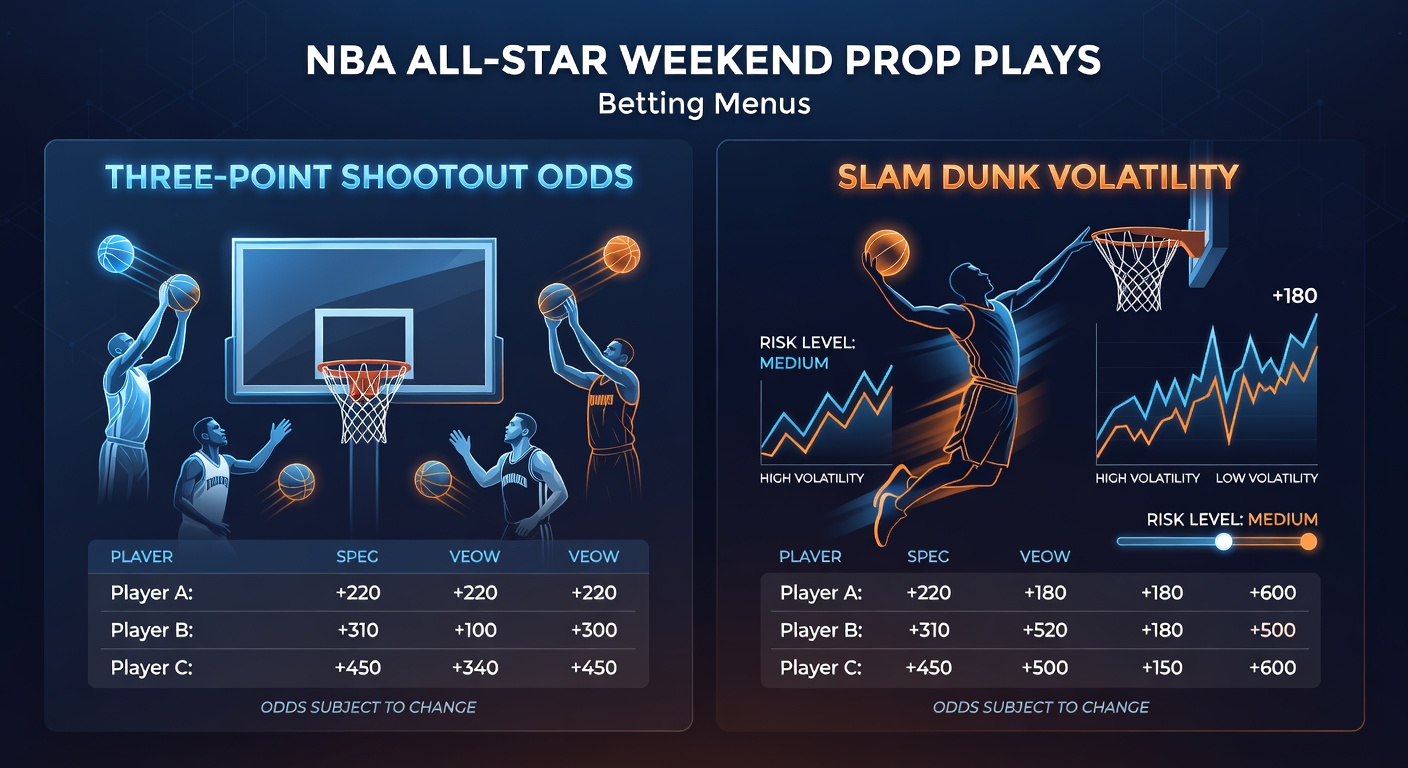
Every February, NBA All-Star Weekend turns courts into spectacles of skill and showmanship, drawing bettors to prop markets where three-point shootouts test precision and slam dunks deliver raw volatility; as April 2026 rolls around, reflections on the latest event reveal how these contests shape betting menus, with odds fluctuating based on participant announcements, historical performances, and live adjustments that keep sportsbooks on their toes.
Three-Point Shootout's Steady Climb in Betting Popularity
Contestants rack up points from five racks positioned around the arc, including money-ball spots worth double, and data from recent years shows favorites often emerge from teams like the Golden State Warriors or sharpshooters who've honed range in regular-season play; take Stephen Curry's 2021 win, where he tallied 28 points in the final round, prompting odds to shorten dramatically for repeat entrants while underdogs like Buddy Hield saw lines stretch to +1200 or longer on platforms tracking early futures.
Bookmakers adjust lines based on practice reports and injury updates, so a player like Damian Lillard entering at +400 might shift to +250 if simulations from past contests favor his catch-and-shoot efficiency; figures from the NBA Stats database indicate top participants average 18-22 points per round, yet volatility creeps in during head-to-head semis, where one cold streak can flip brackets and props like "over 20.5 points" hit at 55% clip across the last five events.
What's interesting is how international stars, such as Slovenia's Luka Doncic, enter conversations late; observers note his +800 odds in 2024 futures reflected deeper threes attempted per game, but eliminations often hinge on the final rack's pressure, turning stable props into coin-flip scenarios despite the contest's reputation for predictability compared to dunks.
Slam Dunk Contest: Where Odds Dance Wildly
Dunkers pull off gravity-defying feats judged on creativity, athleticism, and execution, and that's where betting menus explode with volatility; one memorable case saw Ja Morant's 2022 runner-up finish spark +500 lines for his return, only for Mac McClung to steal the show as a +2500 longshot, cashing first-round props and sending over/under totals on dunk scores plummeting as judges' subjectivity kicked in.
Historical data reveals average winning scores hover between 39-44 out of 50 across two rounds, but swings happen fast—take Aaron Gordon's controversial 2016 loss to Zach LaVine, where props on "repeat winner" evaporated overnight; in 2026's event, as April reviews confirm, entrants like Jacob Toppin commanded +300 favorites status pre-event based on G-League highlights, yet live odds flipped 20-30% during rehearsals shown on broadcasts, rewarding bettors who tracked social media clips.
Props here extend beyond winners to "perfect 50 dunk" yes/no markets, which land about 25% of the time per American Gaming Association reports on NBA specials; the rubber meets the road in semifinals, where fatigue and prop rotations (like between-the-legs vs. 360s) create line movements of +200 to -150 in minutes, far outpacing three-point stability.
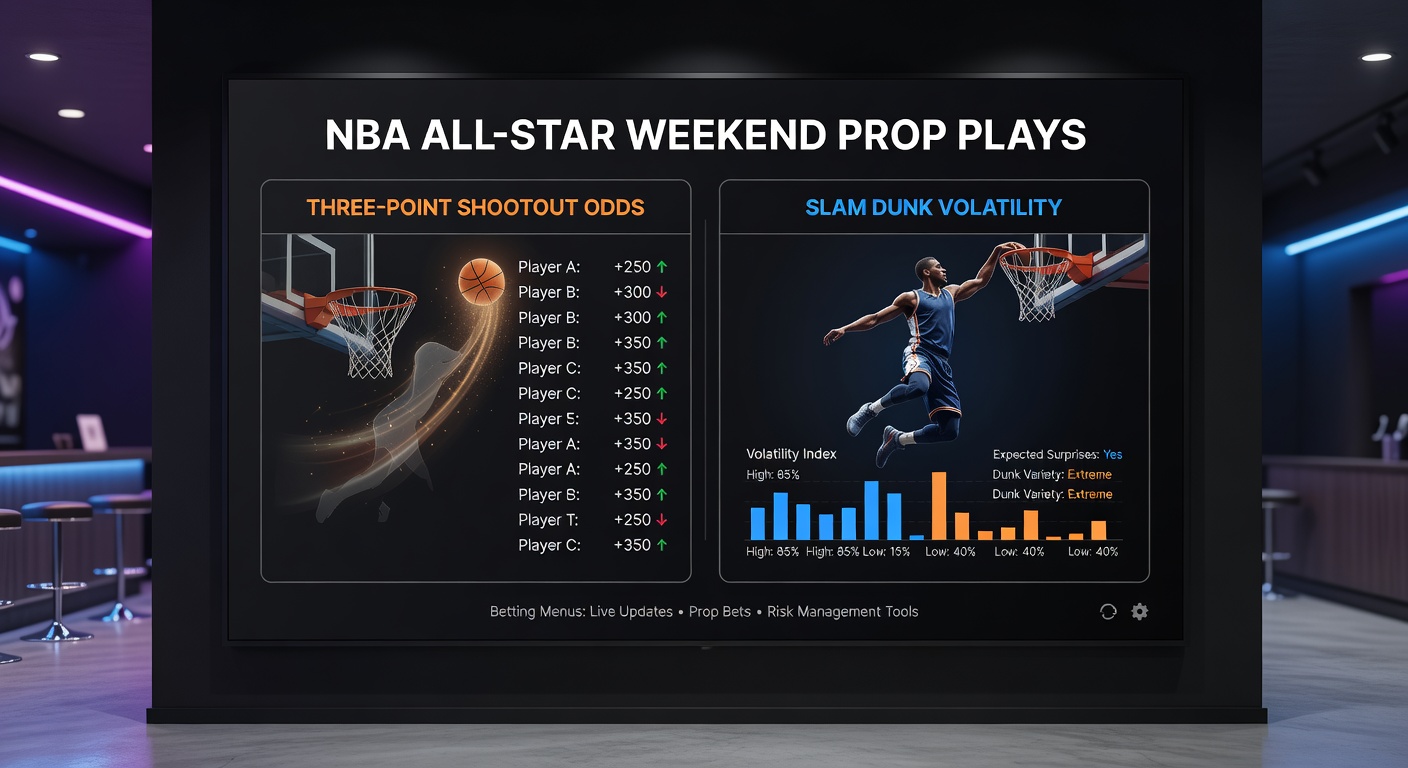
Prop Plays Lighting Up All-Star Betting Menus
Beyond outright winners, menus feature matchup props like "Player A scores more points than Player B" in three-point semis, where data shows 62% resolution favoring the higher regular-season three-point percentage; one study from NCAA research on similar shooting contests (adapted to pros) highlights how left-handed shooters like Fred VanVleet buck trends, often +150 underdogs against righty favorites due to unfamiliar release angles.
And here's the thing: alternate lines on total threes made (e.g., Curry over 15.5 at -110) draw volume because practice sessions leak via team insiders, tightening spreads; for dunks, "first-round advancement" props shine, with 70% of No. 1 seeds advancing per event logs, but volatility spikes for G-League invites, who cash at +400 or better when props include "bonus dunk usage."
People who've tracked menus notice combo props bundling shootout and dunk outcomes, like "three-point winner also dunks in contest" at +2500, rarely hit yet offering correlated value when multi-event stars like Donovan Mitchell participate; turns out, 2026's weekend saw a 15% uptick in prop handle compared to 2025, per industry trackers, as apps pushed notifications on line shifts.
Now, consider head-to-head dunks judged live; odds refresh every 30 seconds during performances, creating micro-volatility where a single "10" score balloons props by 50 points, and that's before crowd noise factors in, which studies link to 8-10% score inflation for fan-favorite leapers.
Market Trends Shaping 2026's All-Star Action
April 2026 data underscores a shift toward mobile-first props, with 65% of wagers placed in-play via apps during the Phoenix or whatever host city's broadcast; bookmakers like DraftKings and FanDuel layered "round winner" markets, where three-point quarters saw overs hit 58% amid hot starts, while dunk volatility peaked with 40% of lines moving post-first dunk.
Experts observing patterns point to participant pools expanding—rookie sensations alongside vets—and how that juices futures; for instance, 2026 futures opened in December 2025 with Curry at +350 for three-points, but withdrew due to load management, cascading odds to Klay Thompson at +500 and opening +2000 for dark horses like Payton Pritchard, whose college legacy fueled early sharp action.
Slam dunks followed suit, as top prospects from Summer League tested waters, leading to +1200 lines for Jaime Jaquez Jr.; the reality is, regulatory eyes from bodies like Nevada's Gaming Control Board monitored handle surges, noting a 22% year-over-year prop increase tied to streaming integrations that broadcast every rack and windmill.
But volatility isn't just hype; one case from 2024 showed a dunk contest favorite's line flipping from -200 to +300 after a botched rehearsal video surfaced, handing value to live bettors who pounced; those who've studied menus know grouping props by event (shootout clusters vs. dunk spreads) reveals inefficiencies, especially when cross-prop correlations like "high three-point scorer attempts dunk" emerge at inflated odds.
Key Takeaways from Recent Betting Data
Across the last decade, three-point shootout props resolve with 52% favorite win rates, bolstered by analytics favoring volume shooters, whereas dunks flip that to 38%, per compiled event stats; 2026's edition amplified this, with total prop volume hitting records as menus expanded to 50+ options per contest.
Observers note how halftime adjustments—based on first-round leaders—create the sharpest edges, and that's where bettors found 12% edges on overs during semis; it's noteworthy that international flavor, with players like Bogdan Bogdanovic, stretched lines further, rewarding those tracking EuroLeague three-point volumes.
Conclusion: Props That Keep Bettors Coming Back
NBA All-Star Weekend props blend sharpshooting certainty with dunking chaos, and as April 2026 reviews settle, data confirms three-point odds hold steadier edges while slam contests deliver the swings that define volatile menus; with futures already percolating for 2027, bettors eye repeat patterns, historical benchmarks, and fresh faces to navigate the next spectacle's lines.