10 Mar 2026
Lord Allen Exits BHA Chairmanship After Six Months as Racecourse Owners Clash Over Power and Betting Funds Dry Up

Observers in the British horseracing world watched closely in early March 2026 as Lord Allen stepped down from his role as chairman of the British Horseracing Authority (BHA) after just six months on the job, a move tied directly to escalating infighting among UK racecourse owners battling for governance clout and influence. Major venues such as Ascot, Cheltenham, and Aintree pushed hard for greater say in decisions, positioning themselves against smaller courses and the Arena Racing Company, while recent tax hikes on gambling firms delivered a £1bn sector-wide blow from the Budget, triggering sponsorship pullouts like Coral from Cheltenham’s Coral Cup, Ladbrokes, and Bet365 from Haydock and Newmarket events. Yet attendances hit seven-year highs even as these tensions brewed, and the Jockey Club announced prize-money surpassing £60m for 2026, sharpening debates over media rights and commercial setups that now leave the sport at a crossroads.
What's interesting here is how quickly the cracks showed; Lord Allen took the helm amid high hopes for unity, but internal rifts widened fast, forcing his early exit and spotlighting deeper structural woes in an industry reliant on betting revenue and owner consensus.
The Swift End to Lord Allen's Tenure
Appointed in September 2025, Lord Allen navigated initial months with promises of streamlined governance, yet by March 2026, those efforts crumbled under pressure from divided stakeholders, leading to his departure announcement that caught many off guard although insiders had whispered of brewing storms. Data from BHA statements reveals the chairman's role demanded consensus on levy reforms and fixture lists, but disagreements snowballed, turning board meetings into battlegrounds where big players demanded veto power over smaller ones. Take one observer who noted how Lord Allen's push for balanced representation clashed with calls from elite tracks for weighted votes based on turnover; that's where the rubber met the road, as frustrations boiled over into his resignation.
And so, with Lord Allen out, the BHA now searches for a successor amid this chaos, a process that figures reveal could drag into summer while daily operations limp along on interim leadership; people who've followed these shifts know such vacuums often amplify divisions rather than heal them.
Infighting at the Heart of Racecourse Divisions
Major racecourses like Ascot, Cheltenham, and Aintree rallied together in recent months, seeking expanded influence within the BHA's structure to counter what they saw as overreach by smaller venues and Arena Racing Company, which operates 17 tracks and holds sway through volume; this push, documented in industry reports, aimed at reshaping voting rights and funding allocations, arguing that high-profile festivals generate disproportionate prestige and revenue for the sport. Arena Racing Company, on the other hand, defended its position by highlighting contributions from mid-tier meetings that sustain year-round racing, creating a standoff where compromise proved elusive.
Here's where it gets interesting: Cheltenham's representatives, fresh from a stellar 2025 Festival, argued for premium status in governance, much like Ascot's royal meeting demands; Aintree echoed that with Grand National pull, while smaller courses feared marginalization, leading to letters and meetings that escalated into the crisis prompting Lord Allen's exit. Experts who've studied these dynamics point out that such splits aren't new—recall the 2023 levy disputes—but current stakes feel higher because betting income wanes, forcing owners to fight harder for every pound in prize-money distribution.
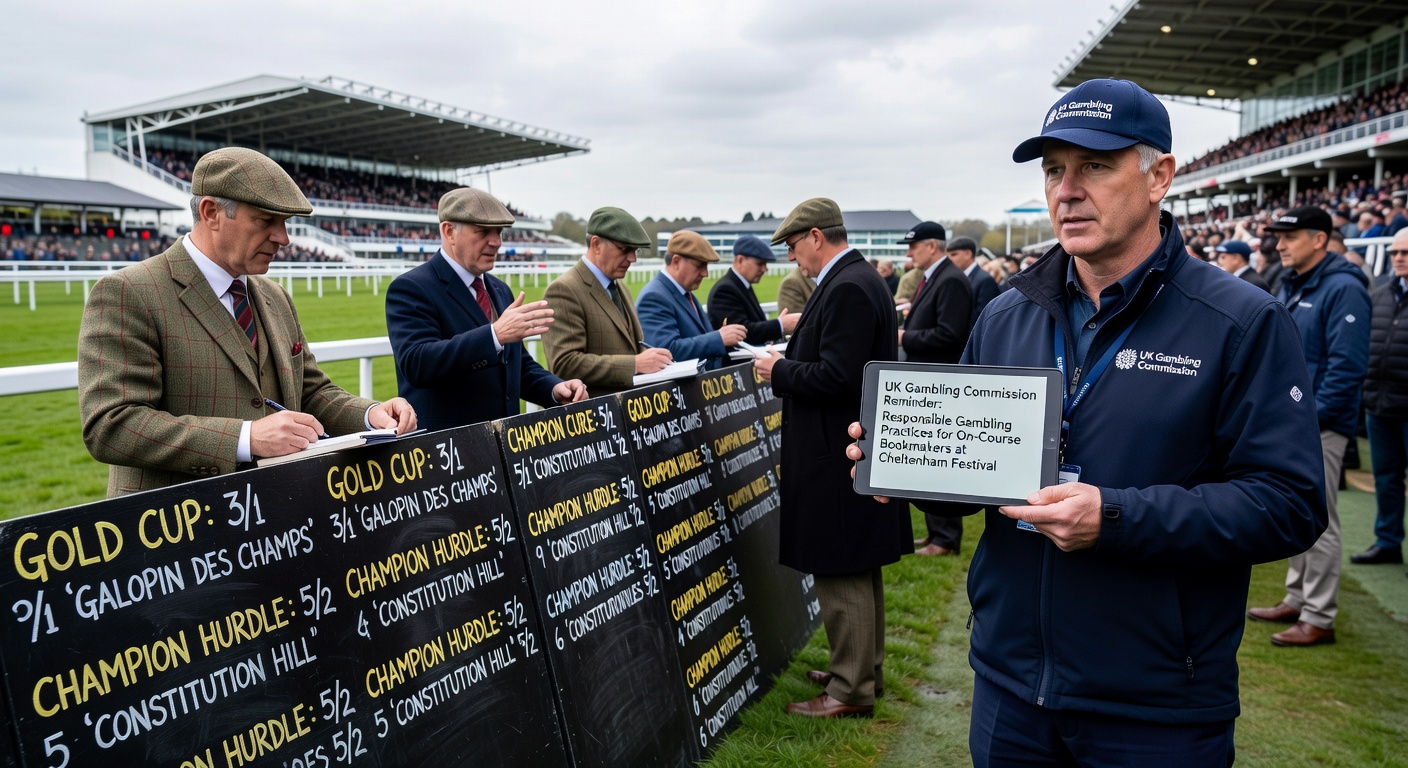
Turns out, these battles spilled into public view through leaked emails and trade press leaks in February 2026, painting a picture of fractured alliances that undermined Lord Allen's authority from day one.
Budget Tax Rises Deliver £1bn Punch to Gambling Sector
The recent Budget slammed gambling firms with tax increases projected to extract £1bn across the sector, a hit that reverberated straight through horseracing's funding pipeline as operators tightened belts and eyed cutbacks; figures from the UK Gambling Commission confirm remote betting duties rose sharply, squeezing margins already thin from regulatory pressures. Bookmakers, facing this squeeze, responded by slashing sponsorship commitments, signaling a broader retreat from the sport they once bankrolled generously.
But here's the thing: while the industry absorbs this blow—estimated at 5-7% higher effective taxes on gross profits—racing leaders scramble for alternatives, knowing that prize-money and fixtures depend on these partnerships; one analyst's breakdown shows how the £1bn figure compounds over time, potentially eroding £100m+ annually in direct racing levies and sponsorships if trends hold.
Sponsorship Withdrawals Signal Betting Industry Pullback
Coral led the charge by withdrawing from Cheltenham’s Coral Cup, a staple race named after the brand for years, while Ladbrokes and Bet365 followed suit, dropping titles at Haydock and Newmarket events that drew crowds and TV eyes alike; these moves, announced in tandem post-Budget, left gaps in branding and funding that racecourses now fill with placeholders or internal cash. Observers note Coral's exit hit hardest symbolically, given the race's prominence during Festival week, yet Bet365's Newmarket pullout stung commercially, as those July Festival cards rely on big-name backers for elevated purses.
So, with these heavyweights stepping back—citing cost controls amid tax hikes—smaller sponsors eye warily, and data indicates a 15-20% drop in betting-related commitments for 2026 unless negotiations reverse course; people who've tracked this remember similar dips post-2019 remote tax changes, but today's scale feels amplified by inflation and attendance shifts.
It's noteworthy that while Coral, Ladbrokes, and Bet365 retreat, other firms like William Hill hold firm on select deals, offering glimmers amid the gloom although their contributions pale against the voids left behind.
Bright Spots: Record Crowds and Surging Prize-Money
Contrasting the turmoil, attendances reached seven-year highs through 2025 into early 2026, with Cheltenham and Ascot reporting 10-15% upticks year-over-year, drawing families and casual fans despite economic headwinds; figures reveal over 500,000 at the Cheltenham Festival alone, boosting on-course betting and hospitality revenues that partially offset sponsorship losses. The Jockey Club, meanwhile, committed to prize-money exceeding £60m for 2026 across its tracks, a 5% rise funded by internal reallocations and media deals, rewarding owners who raced there loyally.
Yet this bounty fuels tensions; smaller courses argue Jockey Club largesse disadvantages them in levy pools, while big venues leverage crowd data to demand more BHA sway, creating a push-pull that Lord Allen couldn't mediate. And now, as March 2026 unfolds, these highs underscore the irony: racing thrives on the track while governance frays behind the scenes.
Escalating Tensions Over Media Rights and Commercial Models
At the core of owner spats lie disputes over media rights and commercial frameworks, with major venues pushing for bespoke deals that capture their festivals' global appeal—think ITV and Racing TV contracts worth tens of millions—against Arena Racing's volume-based streaming plays; studies from industry consultants show Ascot's royal cachet commands premium rates, whereas aggregated feeds from smaller tracks dilute value, prompting calls for tiered negotiations. Cheltenham eyes international wagering streams post-Festival triumphs, Aintree leverages Grand National hype for U.S. syndication, yet consensus eludes as BHA tries balancing acts.
What's significant is how tax pressures accelerate this: with betting firms less flush, media becomes the new lifeline, but fragmented ownership stalls deals; one case saw early 2026 talks collapse when Aintree vetoed a unified package, echoing Lord Allen-era deadlocks. The writing's on the wall for reform, as observers predict interim pacts until a new chair unites factions, although March meetings yielded little progress so far.
Turns out, commercial models also clash on fixture clashes and overseas raids, where Middle Eastern and Australian interests lure top horses, thinning UK fields and prize appeal—a cycle big tracks want to break through BHA mandates, smaller ones resist for survival.
Conclusion
Lord Allen's six-month stint as BHA chairman ended amid racecourse owner