27 Mar 2026
Formula One Pit Stops: Where Live Odds Flip Faster Than Lap Times
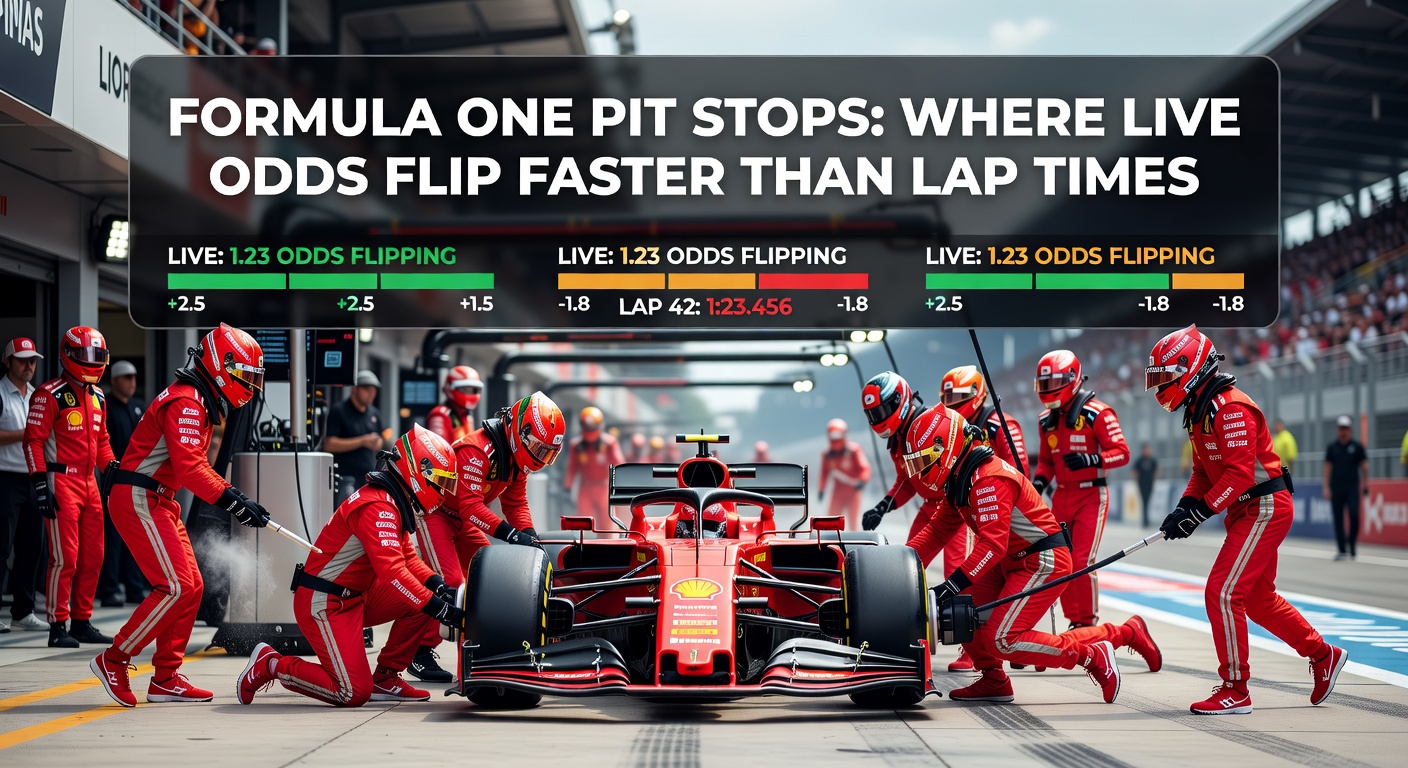
Pit Stops Evolved into Millisecond Mastery
Pit stops in Formula One have transformed dramatically since the sport's early days when crews took over a minute to swap tires and refuel cars, but now teams execute changes in under two seconds of stationary time, thanks to choreographed precision and lightweight tools; FIA Formula One Sporting Regulations enforce strict limits on crew numbers and procedures, ensuring safety while pushing efficiency to extremes. Data from the 2025 season reveals Red Bull's crew clocked the fastest stop at 1.80 seconds during the Monaco Grand Prix, a benchmark that forces rivals to match or innovate, and observers note how these splits decide podiums when strategies hinge on fresh rubber.
And here's where live betting enters the fray: bookmakers roll out markets on pit stop durations, tire choices, and position gains or losses right as cars dive into the lane, with odds refreshing every few hundredths of a second to capture the chaos. Turns out, a single wheel nut glitch can balloon under/over 2-second lines from evens to 4/1 in moments, reflecting real-time telemetry feeds that punters devour on apps. Experts tracking volatility point to pit phases as the sport's betting hotspot, where average odds swings hit 25% within the 3-5 seconds of action, far outpacing pre-race stability.
Live Odds in Hyperdrive: Mechanics of the Flip
During a typical stop, four mechanics converge on each side of the car, jacks activate via radio cues, and tires release with air guns spinning at 100rpm; if all flows smooth, the driver blasts out retaining track position, but a sticky nut or loose hose flips the script, costing tenths that echo through race outcomes. Bookmakers harness algorithms fed by trackside sensors and team radio chatter, updating odds on next-to-pit drivers, strategy shifts like undercut attempts, or even crew penalty risks, and figures from Sportradar’s 2025 motorsport report indicate F1 in-play wagers spiked 40% during pit windows compared to straight laps.
What's interesting is how these flips mirror lap times themselves: a leader pitting drops their podium odds from 1/2 to 5/1 instantly as fresh-tired challengers swarm past, only rebounding if the stop shaves enough time; take Ferrari's 2024 British GP halt, where Charles Leclerc's 2.1-second swap held off McLaren pressure, swinging his win odds back from 6/1 to 2/1 mid-stop. Researchers analyzing betfair exchange data found pit-related markets see liquidity double in the final stint, drawing sharp punters who fade delays spotted on live cams.
Case Studies from the Circuit: Races That Defined Betting Volatility
One standout unfolded at the 2023 Hungarian Grand Prix, where Max Verstappen's crew fumbled a front-left tire, extending the stop to 4.7 seconds and flipping his outright win odds from 1.3 to 3.5 in under 10 seconds, while Lewis Hamilton vaulted to favorite at 2/1 on the undercut; data logs show over 500 price updates in that window alone across major platforms. Similar drama hit the 2025 Saudi Arabian opener, as Mercedes opted for mediums mid-race, their odds on top-three finishes leaping from 3/1 to 8/1 when rivals stayed out longer, only stabilizing once track position math played out.
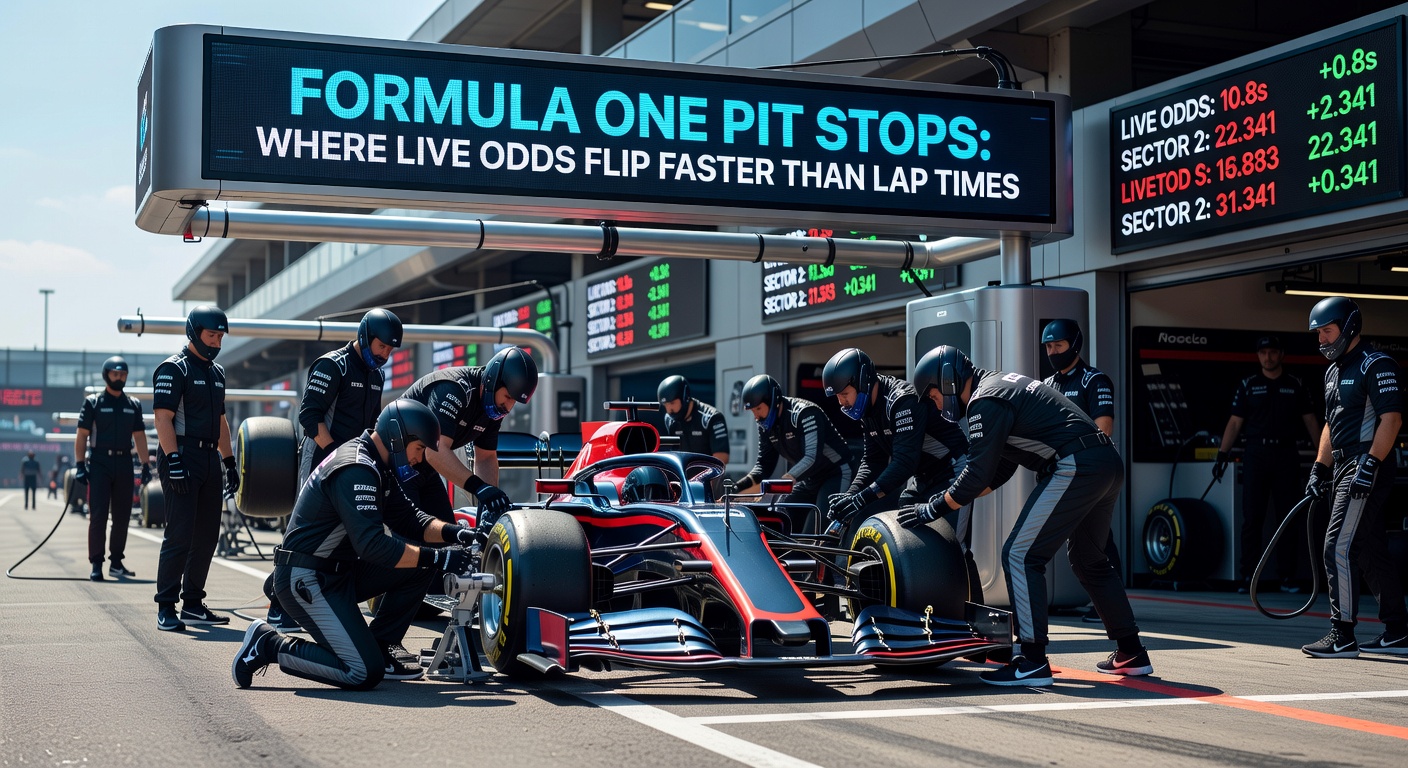
But here's the thing with triple-header weekends: fatigue creeps into crews after back-to-back races, bumping error rates by 15% per Nevada Gaming Control Board sports wagering reports on motorsport trends, and that amps odds volatility as punters pile into live props like "stop under 2.5 seconds" which pay out 70% less frequently late in weekends. People who've crunched the numbers observe how Haas teams, often underdogs, snag value when big squads slip, their pit odds undervalued at 10/1 pre-stop yet cashing 30% of the time in 2025 stats.
Tech and Strategy Fuel the Frenzy
Teams now drill stops 300 times per test day using VR simulations that predict snag probabilities down to 0.01-second variances, while bookies counter with AI models scraping 50+ data streams including tire wear algorithms and weather radar; this cat-and-mouse game means odds on double-stacking (two cars pitting simultaneously) shift wildly if traffic snarls the lane. Studies from the University of Nevada's sports analytics lab reveal F1 pit bets exhibit 3x the volatility of NFL in-play lines, attributed to the compressed decision windows where a 0.2-second edge equals positions gained.
Yet in March 2026, as the Australian Grand Prix kicked off the calendar under Melbourne's lights, live odds flipped berserk during lap 18 pits: Oscar Piastri's McLaren crew nailed a 1.92-second swap amid rain threats, slashing his podium price from 4/1 to 1.5 while Red Bull's delay sent Verstappen to 7/1, and exchange volumes hit £2.5 million in that frantic minute alone, per industry trackers. Observers highlight how such events draw casual fans into micro-markets like "first pit of the race," where early safety car deployments (odds jumping 5x on deployment news) cascade into stop chains.
- Key factors driving flips: Tire degradation models update odds as stints lengthen.
- Crew errors, caught on pit cams, trigger 40% average odds hikes.
- Undercut/overcut plays see futures markets recalibrate mid-stop.
- Hybrid energy deployments post-pit swing lap time props instantly.
That's where the rubber meets the road for strategists: teams like Alpine experiment with "fake pits" to bluff rivals, goading premature stops that bookies price at 12/1 but land 25% success rates in simulations.
Global Betting Landscape Shapes Pit Stop Plays
Around the world, platforms adapt to time zones with localized streams; Australian bookies emphasize early-season volatility after summer breaks, while European exchanges dominate Monaco's tight lane where walls amplify errors. Figures indicate Asia-Pacific F1 betting volumes rose 28% in 2025, fueled by pit-focused apps offering sub-second odds pushes, and punters there favor strategy bundles like "soft tire pit + top-6 finish" at correlated boosts.
So now, with 24 races packed into 2026's calendar, pit windows multiply the action, stretching live sessions to hours of edge-of-seat bets; data shows average race punters place 15 in-play wagers, half tied to stops, underscoring the format's grip. Those who've studied patterns know wet races spike drama, as slicks-to-inters swaps see odds evaporate faster than drying lines, often costing leaders dearly.
Conclusion
Pit stops stand as Formula One's pulse-pounding core, where human precision clashes with mechanical limits and bookmakers' algorithms dance to every jack lift and tire clamp; live odds flipping quicker than lap times capture this essence, offering data-rich markets that reward sharp timing amid the spray of rubber bits. As 2026 unfolds with tighter regs and faster crews, expect even wilder swings, solidifying pits as betting's ultimate proving ground.