Data Streams From Prediction Models Power Layered Bonus Triggers Across Gaming Platforms
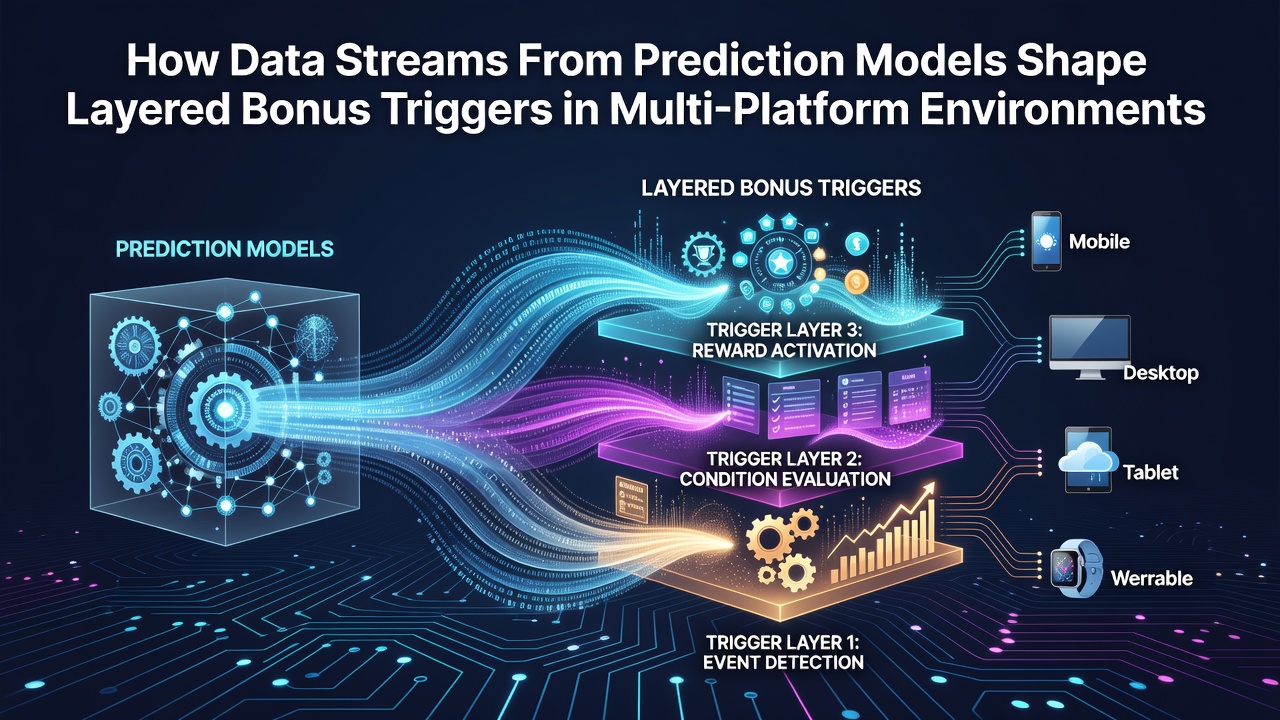
Prediction models process continuous data streams to determine when and how layered bonus triggers activate in multi-platform environments, and this integration has become standard practice across global gaming operators by June 2026. Real-time inputs from user behavior, transaction histories, and engagement metrics feed into algorithms that calculate eligibility for base rewards while simultaneously evaluating conditions for secondary and tertiary bonus layers, all synchronized across mobile applications, desktop sites, and integrated casino-sports platforms.
Core Components of Prediction Model Architecture
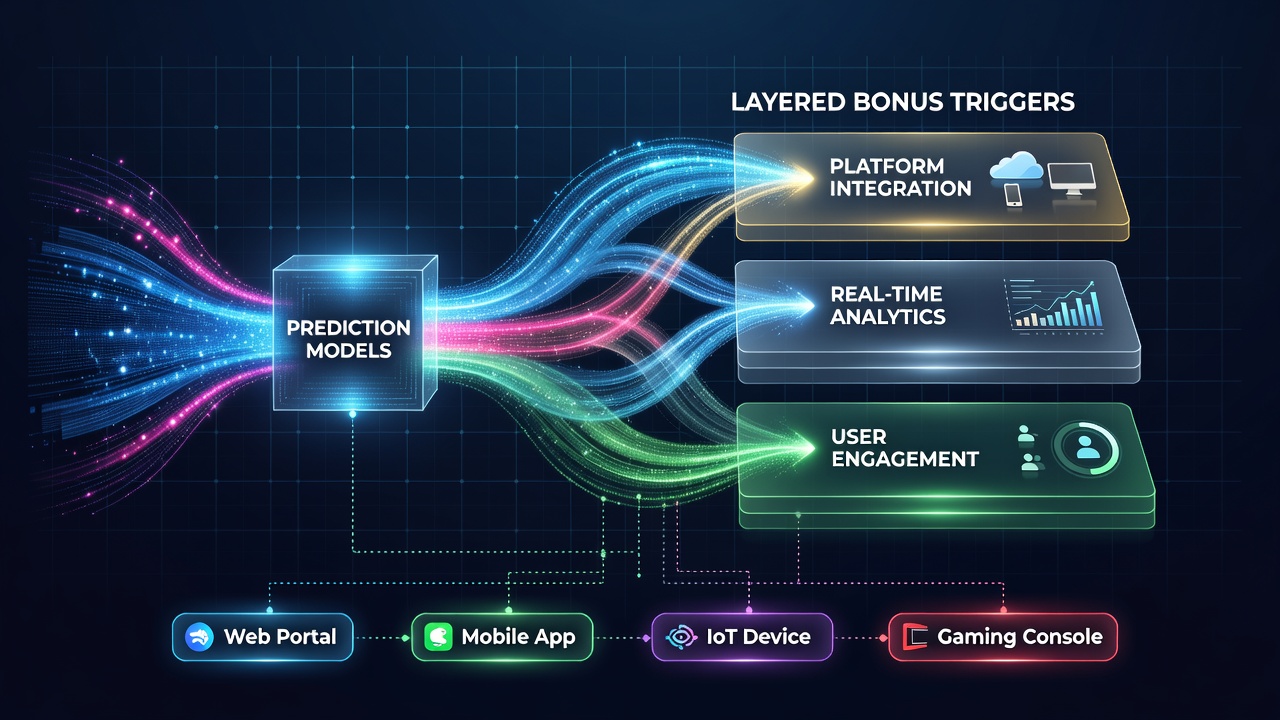
Operators deploy machine learning frameworks that ingest streaming data from multiple sources, including clickstream logs, session durations, deposit patterns, and cross-platform navigation sequences, while these models apply classification and regression techniques to forecast user responses to potential bonus activations. The architecture relies on event-driven pipelines that push updated probability scores to bonus management systems every few seconds, enabling dynamic adjustments without manual intervention from platform administrators.
Layered Trigger Mechanisms Explained
Layered bonuses operate through sequential condition checks where the first layer might release a standard deposit match based on account verification status, yet subsequent layers unlock only when prediction outputs exceed predefined thresholds for metrics such as predicted lifetime value or churn risk scores. Data streams carry these outputs directly into trigger engines that evaluate platform-specific variables, for instance requiring higher engagement thresholds on mobile apps compared to desktop environments to account for differing user retention curves observed in industry datasets.
One documented implementation at a North American operator demonstrated how models trained on aggregated anonymized records from the Nevada Gaming Control Board reporting standards achieved precise calibration of bonus layers, resulting in synchronized reward deliveries that maintained consistency whether users switched between sports betting interfaces and slot game portals within the same session.
Multi-Platform Synchronization Challenges
Cross-device consistency demands that data streams normalize inputs from disparate operating systems and network conditions, and prediction models incorporate latency compensation algorithms to prevent trigger misfires when users transition between platforms mid-session. Researchers at academic institutions have examined these processes through case analyses where models adjusted bonus parameters in real time based on device fingerprinting combined with behavioral telemetry, ensuring that a user completing a sports bet on a tablet receives the same layered progression status upon opening the companion casino application on a smartphone.
European regulatory frameworks, including those outlined by the Malta Gaming Authority, require audit trails for all automated bonus decisions, which has prompted operators to embed explainability modules within their prediction pipelines so that each trigger event logs the contributing data points and model confidence levels for compliance verification.
Integration With External Data Sources
Prediction models frequently incorporate third-party feeds such as weather data for sports event modeling or macroeconomic indicators that influence deposit behaviors, while these external streams merge with internal telemetry inside unified data lakes before model inference occurs. Industry reports from the American Gaming Association highlight that operators leveraging diversified input sources report improved accuracy in forecasting which users will respond to progressive bonus structures spanning multiple verticals, from poker rooms to virtual sports simulators.
Take one implementation where experts integrated public health data trends with user activity logs during early 2026, allowing the system to preemptively adjust bonus layer accessibility in regions experiencing seasonal fluctuations in online engagement, and this approach maintained operational stability without violating platform-specific regulatory boundaries in jurisdictions such as those overseen by the Australian Communications and Media Authority.
Technical Flow of Data to Triggers
Streaming platforms like Apache Kafka or equivalent managed services transport prediction outputs to bonus orchestration layers, and these outputs include not only activation flags but also parameterized values that scale reward amounts according to model-derived risk tiers. Engineers configure fallback mechanisms that default to conservative trigger rules if data stream interruptions exceed tolerance thresholds, preserving system integrity during peak traffic periods common in major sporting events.
Studies from research consortia focused on digital entertainment technologies indicate that latency under 200 milliseconds between model inference and trigger execution correlates with higher user completion rates for multi-layer bonus sequences, prompting continued investment in edge computing resources positioned near major data center clusters serving North American and Asia-Pacific markets.
Conclusion
Prediction model data streams continue to define the operational logic behind layered bonus triggers in multi-platform settings, and ongoing refinements in model training alongside improved stream processing infrastructure support more granular control over reward distribution. Regulatory bodies across regions maintain oversight through required documentation of algorithmic decision paths, while operators refine synchronization protocols to accommodate expanding device ecosystems and evolving user interaction patterns observed through mid-2026.