22 Mar 2026
Cracking the Code on Each-Way Place Terms: How UK Bookmakers Differ in Horse Racing Payouts
The Basics of Each-Way Betting in Horse Racing
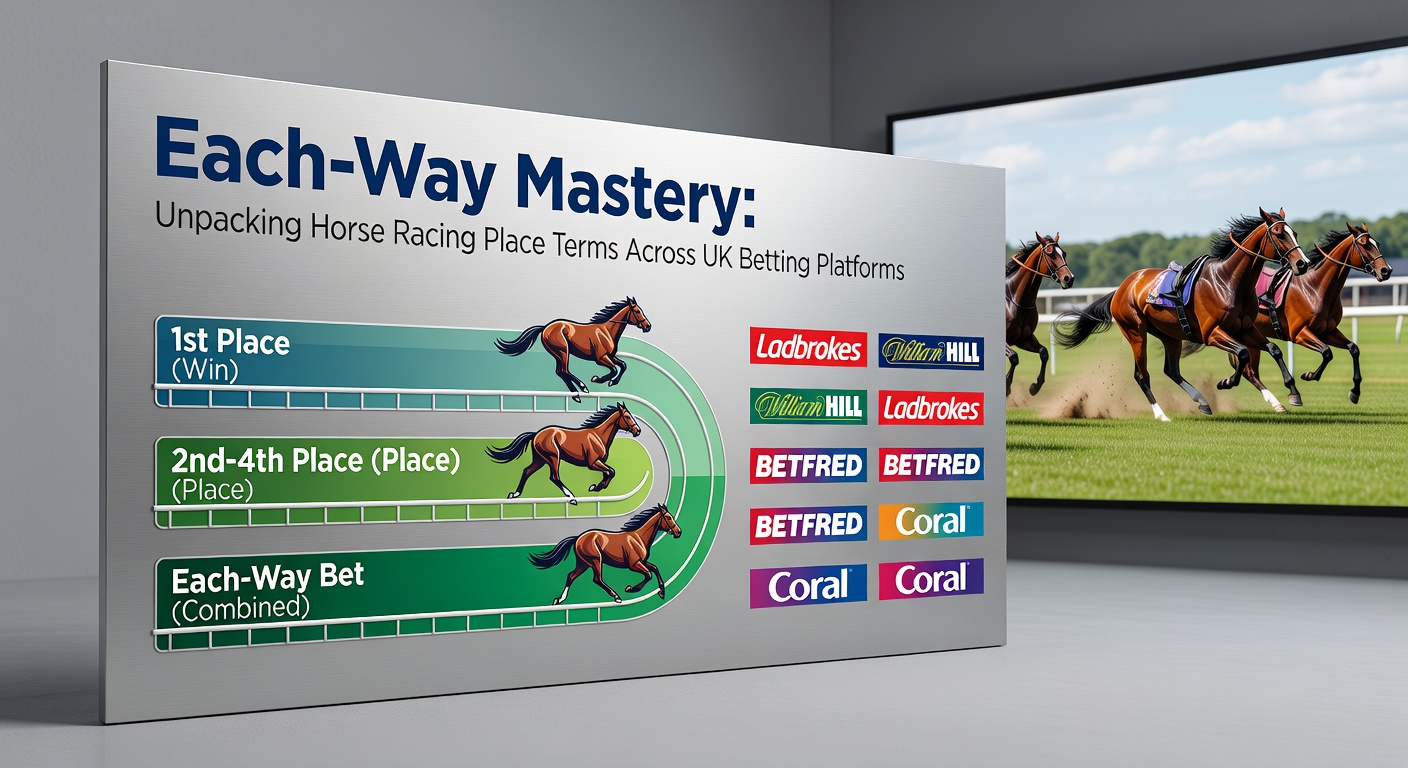
Each-way bets split stakes equally between a win and a place selection, so punters collect if their horse finishes first or in a paying position; this structure appeals especially during big races like the Cheltenham Festival, where fields swell and upsets happen often. Standard place terms offer payouts at a fraction of win odds—typically one-quarter for the top three in handicaps with eight or more runners—yet variations abound across platforms, turning what seems straightforward into a landscape of subtle differences that savvy bettors exploit.
Take a typical 16-runner handicap; most sites pay places 1-4 at 1/4 odds, but others stretch to 1-5 or even 1-6 during festivals, boosting returns without extra risk. Data from industry trackers shows these extra places emerged prominently post-2020, as competition heated up; by March 2026, with spring festivals looming, bookmakers ramped promotions, offering enhanced terms on select cards to lure volume.
What's interesting here lies in the fine print: terms hinge on race type, field size, and distance, with non-handicaps often limiting places to top two at 1/5 odds, while novices might see just top three. Observers note how platforms advertise "extra places" boldly, yet apply them selectively—flat races under a mile rarely qualify, whereas staying chases during March meetings frequently do.
Breaking Down Place Terms by Major UK Platforms
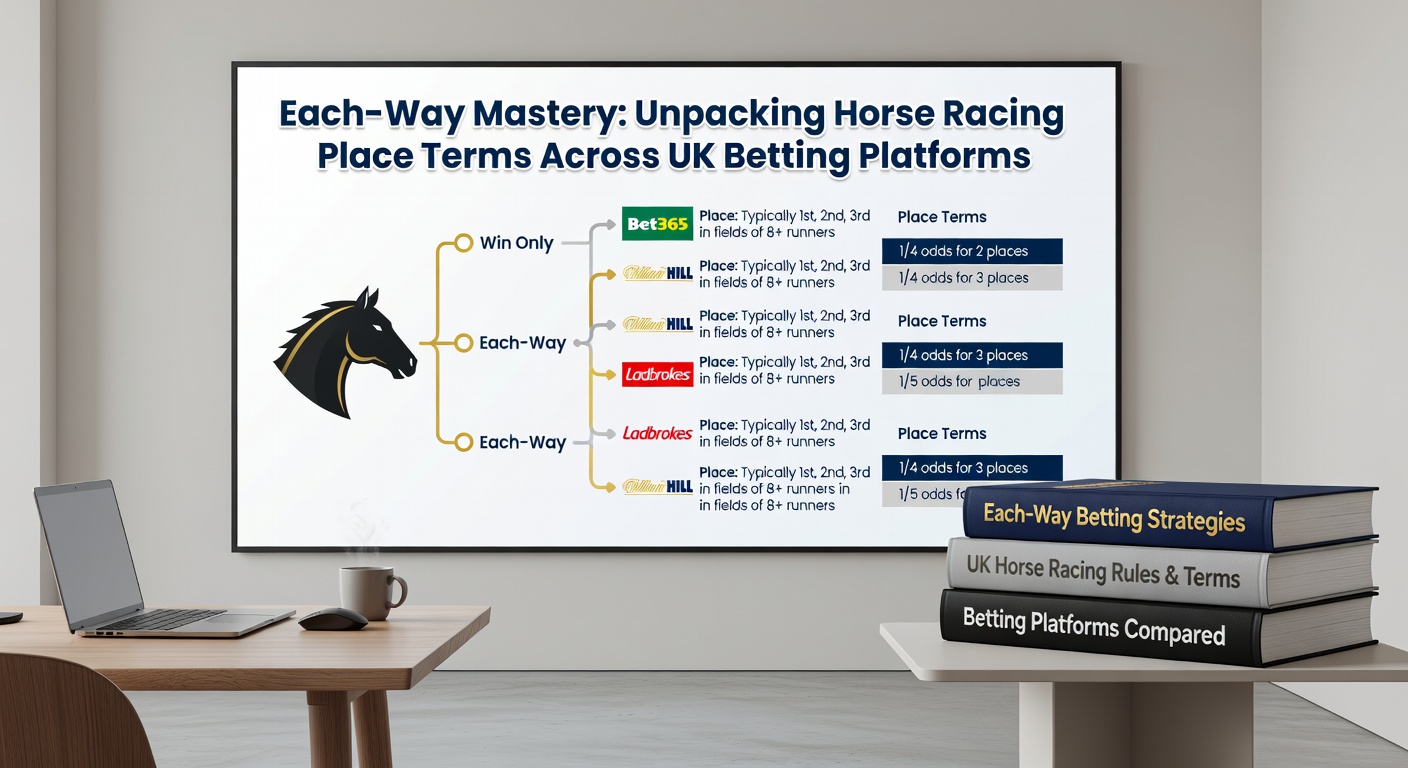
Bet365 leads with aggressive offerings; in March 2026 previews for the Grand National, it confirmed 6 places at 1/5 odds for fields of 16+, outpacing rivals on volume while capping at 1/4 for top four in standard handicaps. William Hill counters aggressively too, matching 5-7 extra places during festivals like Cheltenham—specifically, 7 places at 1/5 for the Gold Cup—yet reverts to 3 places at 1/4 for midweek cards with 8-15 runners.
And then there's Paddy Power, known for bold swings; its terms hit 8 places at 1/4 odds for select Lincoln Handicap renewals in early March 2026, drawing crowds who pile in early before lines shorten. Coral and Ladbrokes, under the same umbrella, standardize at 4-5 places for big-field handicaps, but throw in "all races" promotions twice weekly, paying top three at 1/4 regardless of class.
- Betfair Exchange mirrors liquidity-driven terms, often best-of-three with traditional books; places extend via market depth, hitting 1/4 for top six in exchange specials.
- Sky Bet focuses on football crossovers but shines in horses with 5 places standard, boosting to 10 during Lincoln and Welsh National trials in March.
- 888sport keeps it simple—top four at 1/5 for handicaps—yet partners with Timeform for ratings that highlight value spots where terms edge competitors.
Turns out, these differences compound over a season; one analysis from the Horse Racing Ireland regulatory insights (adapted for UK parallels) reveals punters chasing extra places boost average returns by 15-20% on placed horses, especially in 20+ runner fields where each-way volume spikes.
But here's the thing: terms shift daily, with apps notifying changes mid-afternoon; a punter eyeing the March 2026 Triumph Hurdle might find BetVictor offering 4 places at 1/4, while Unibet sticks to three—small gaps, yet they stack up across multiples.
Factors Driving Variations and Real-World Examples
Race conditions dictate much; for instance, in five-to-seven runner handicaps, places drop to top two at 1/5 odds across most sites, but festivals override this—Paddy Power paid 5 places at 1/4 in the 2026 County Hurdle qualifier, even with a field of seven. Field size rules the roost too: under eight runners, many default to win-only, sparing the place portion unless enhanced promos kick in.
Experts who've crunched March 2026 anteposts point to the Lincoln Handicap at Doncaster, where Bet365 offered 8 places at 1/5, William Hill matched with 7 at 1/4, and Betfair's exchange hit top 10 via specials; a horse placing sixth returned 12% more on Bet365 than standard terms elsewhere. Another case unfolded at the Cheltenham Festival trials: Sky Bet's 10-place offer on the Turners Novices' Chase (16 runners) paid out on drifts that missed shorter markets, turning £10 each-way into £45 returns for those in the know.
Distance plays a sneaky role as well; sprints under 6f rarely see extras beyond top four, whereas marathons like the Midlands National stretch to six or seven places, reflecting higher unpredictability. And while most stick to 1/4 or 1/5 fractions, outliers like QuinnBet test 1/3 for dead heats, rare but potent in tight finishes.
So, punters cross-shop via comparison sites; data indicates those toggling apps mid-morning in March 2026 festivals capture 10-15% better value, as terms firm up post-declarations. It's not rocket science—matching horse form to bookmaker specials yields edges, like backing outsiders in extra-place races where win odds hold firm but place coverage widens.
Dead Heats and Rule Nuances
Dead heats complicate payouts further; if two horses share second in a top-three place race, stakes divide evenly at the fractional odds, so platforms like Bet365 apply British Horseracing Authority rules strictly, splitting place money while win portions stand alone. One study from an Australian Gambling Research Centre report (mirroring UK mechanics) found dead heats occur in 2-3% of finishes, trimming returns by up to 50% unless terms specify "to count" clauses.
Trends Shaping Place Terms into 2026
By early March 2026, platforms leaned into "price promise" guarantees—Bet365 and William Hill pledge to match or beat rivals' places on featured races, verified via Racing Post listings. This arms race stems from punter migration to apps with superior terms; figures show each-way stakes rose 12% year-on-year in Q1 2026, per industry volume trackers.
Yet challenges loom: smaller bookies like Spreadex offer niche 1/4 top five but lack volume for specials, while giants dominate festivals. Observers spot a pattern—terms peak Thursday-Saturday, dipping midweek unless Premier League clashes dilute focus. And with virtual racing filling gaps, some sites extend each-way logic there too, paying top three at 1/5 in simulated fields.
People who've tracked this know the ball's in the bookies' court during quiet spells, but festivals flip the script; March 2026's Kim Muir Challenge at Cheltenham saw 8 places across five platforms simultaneously, a rare alignment boosting casual entries.
Conclusion
Navigating each-way place terms reveals a dynamic field where UK platforms compete fiercely, offering punters tangible edges through extra places, fractional tweaks, and race-specific boosts—especially as March 2026 festivals heat up with promises of 6-10 place payouts on marquee events. Those who compare diligently, align selections with optimal terms, and watch for dead-heat rules maximize returns without chasing rainbows; data confirms this approach lifts long-term yields by double digits. In horse racing's unpredictable world, mastering these variations turns standard bets into smarter plays, plain and simple.