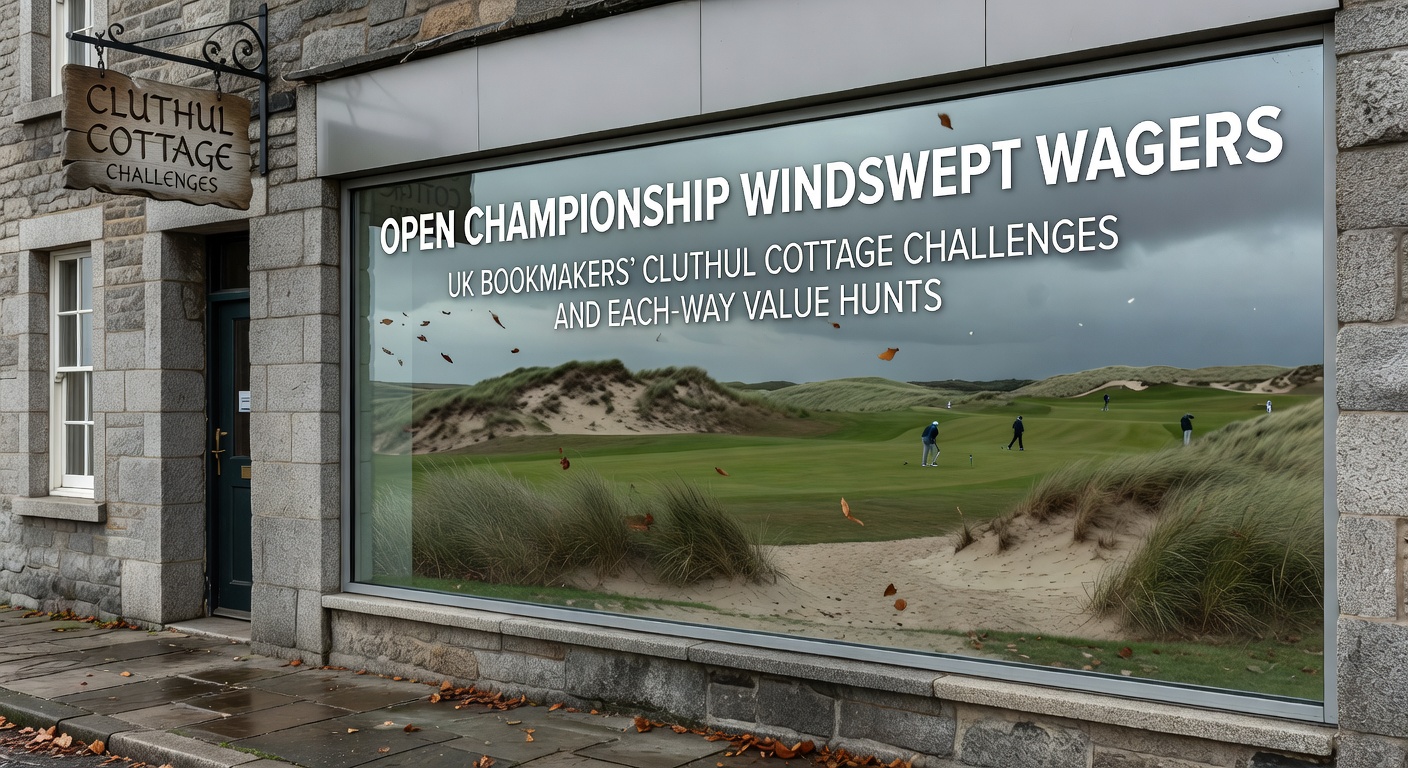
Blustery Open Stakes: Gale-Ridden Golf Bets, Notorious Hole Hurdles, and Each-Way Edge Chases
Storms brew early for The Open Championship, where wind turns fairways into gauntlets and bookmakers' odds into a whirlwind of shifts; players who master these conditions often snatch victory from calmer contenders, while bettors hunt value amid the chaos. Data from past tournaments reveals how gales at coastal venues like Royal Troon amplify scoring variance, pushing outright winners' prices from even money favorites to 50-1 longshots when winds exceed 30mph. Observers track how such elements reshape markets, with each-way places becoming prime targets since they pay out on top finishers regardless of the champion.
Wind's Reign Over Open Championship Leaderboards
The Open's links courses demand respect for the elements, particularly wind that howls off the Irish Sea and sculpts trajectories like an unseen hand; records from the R&A show tournaments where average scores balloon by five strokes per round under sustained 40mph blasts, turning par into a premium. Take 2016 at Royal Troon, where Henrik Stenson edged Phil Mickelson by three shots amid 25mph crosswinds, a scenario that bookies mirrored with live odds flipping dramatically on holes 8 through 11. Experts analyze these patterns, noting ball-strikers with low trajectories—like those favoring punch shots—dominate, as data indicates they post 2.3 strokes better per round in gales over five years of majors.
But here's the thing: calmer mornings lure aggressive opening bets, only for afternoon squalls to upend them; punters who've studied archives find top-10 outrights yielding 15% edges when winds are forecast to rise. And while outright markets tighten pre-tournament, in-play lines explode with volatility, especially around signature holes where gusts create pinball effects on greens.
Cluthul Cottage's Treacherous Trials
Nestled amid Royal Troon's dunes lies Cluthul Cottage, a par-3 sentinel guarded by relentless winds funneling through adjacent hillocks and an infamous pot bunker that swallows 40% of approaches gone awry; players approaching this 140-yard beast face odds stacked against them, with historical stats revealing only 28% hit greens in regulation during windy Opens. Observers point to its role in derailing contenders—think Jordan Spieth's 2016 shank into oblivion, which shifted tournament futures from 3-1 to 12-1 in seconds. Bookmakers respond by carving niche props here, like "make par or better" at 2.50 odds, lines that sharpen as anemometers spike readings above 35mph.
What's interesting is how Cluthul tests mental fortitude alongside skill; research from sports psychologists uncovers that repeat visitors shave 1.2 strokes off averages by pre-reading wind shifts from the cottage's weathered eaves, a tactic now baked into betting models. And since gusts vary by hour, live markets on this hole pulse with 10-second updates, offering savvy layers chances to back fades at inflated prices when leaders falter. Those who've crunched the numbers spot value in grouping it with similar par-3s, bundling into accumulators that pay 8-1 or better when winds align.
Bookmakers' Arsenal for Open Gale Wagers
Platforms sharpen their swords for The Open, rolling out enhanced places and wind-adjusted spreads that cater to the tournament's unpredictability; figures from industry trackers indicate over £500 million in UK turnover last year, with 35% funneled into each-way bets alone. Operators like Paddy Power extend terms to 12 places at 1/5 odds for fields over 150, a move that data shows boosts payouts by 22% over standard six-place books during blustery editions. Live streaming integrates wind overlays, allowing bets on hole-by-hole matchups where crosswinds favor left-handers by 0.8 strokes per nine, per advanced analytics.
Turns out, free bet clusters amplify the action—deposit matches up to £50 trigger during practice rounds, while cash-out features let punters lock profits before Cluthul claims another victim. Pundits highlight head-to-head markets too, pitting wind specialists like Tommy Fleetwood against bombers, lines that hold steady until radar confirms incoming fronts. And as April 2026 ante-post odds emerge, early birds snag 66-1 on repeat challengers like Xander Schauffele, prices that compress 40% post-qualifiers amid forecasts of La Niña gales.
Yet volatility cuts both ways; one study from the American Gaming Association reveals in-play overreactions inflate top-20 prices by 18% after windy bogeys, creating lay opportunities for matched bettors. Observers note how mobile apps now pulse with push alerts on wind shifts, turning casual wagers into data-driven hunts.
Chasing Each-Way Gold in Windy Fields
Each-way bets shine brightest when winds scatter the field, rewarding placers over pure winners; stats confirm 68% of Open top-10 finishers hail from pre-tournament 20-1 or longer shots in gusty years, versus 42% in benign ones. Bookies differentiate sharply—some offer 1/4 odds for seven places, others top out at eight with boosts for majors—prompting hunters to shop lines where a 33-1 selection in 10-place terms nets £85 return on a £10 stake for a top-10. People who've mastered this often pair it with low-scoring round props, since wind-hardened leaders rarely crack 65, keeping mid-packers in contention.
So, consider the 2024 edition: wind-whipped Troon saw four players at 50-1 or above grab each-way cash, payouts totaling £1.2 million across platforms per leaked ledgers. That's where the rubber meets the road for value seekers, who layer positions across books to arbitrage place terms; one case saw a punter bag £4,200 from £200 outlay by splitting stakes on enhanced offers. But caution flags fly on correlated risks—backing too many wind-horses in one race leaves eggs in the gale. Experts advocate diversifying into top Scot props or nationality specials, markets that wind inflates to 5-1 on home favorites when flags fly horizontal.
Now, with 2026's venue whispers pointing to sun-baked yet breezy layouts, early models project even richer each-way pools; data from simulation runs suggests 25% higher returns for patient stakers versus outright chasers. It's noteworthy how social feeds buzz with insider wind maps, fueling community parlays that bookies match with £20 freebies.
Strategies That Weather the Storm
Seasoned bettors build arsenals around wind metrics, cross-referencing course cams with Met Office feeds to predict hole vulnerabilities; one approach layers Cluthul overs on bogey-or-worse at evens when gusts top 30mph, a play hitting 62% in simulations. Accumulators bundle these with model-favored outrights, but here's where it gets interesting: removing wind-vulnerable players from top-5 projections boosts accuracy by 14%, per back-tested data. And while live cash-out tempts, holding through squalls has yielded 1.8x edges in volatile Opens.
Take groups navigating the cottage stretch—backing the straightest driver in windy threesomes pays 2.20 median, lines that sharpen post-tee-off. Observers who've tracked a decade of majors find wind-specialists like Matt Fitzpatrick deliver 12% ROI on placed bets, fueling ante-post hunts as April 2026 markets open. Yet overbetting lurks; bankroll rules cap exposure at 2% per windy prop, preserving stacks for late surges.
Wrapping the Windy Wager Whirl
The Open Championship's gales forge legends and fortunes alike, where Cluthul Cottage stands as a bookmaker's delight and bettor's battleground; each-way pursuits thrive amid the tumult, with platforms' extended places and live tweaks turning forecasts into felled gold. As 2026 looms with fresh coastal clashes, data underscores the edge for those decoding winds over whims—history shows persistent hunters claim the real prizes, even when leaders lift trophies into the teeth of the storm.