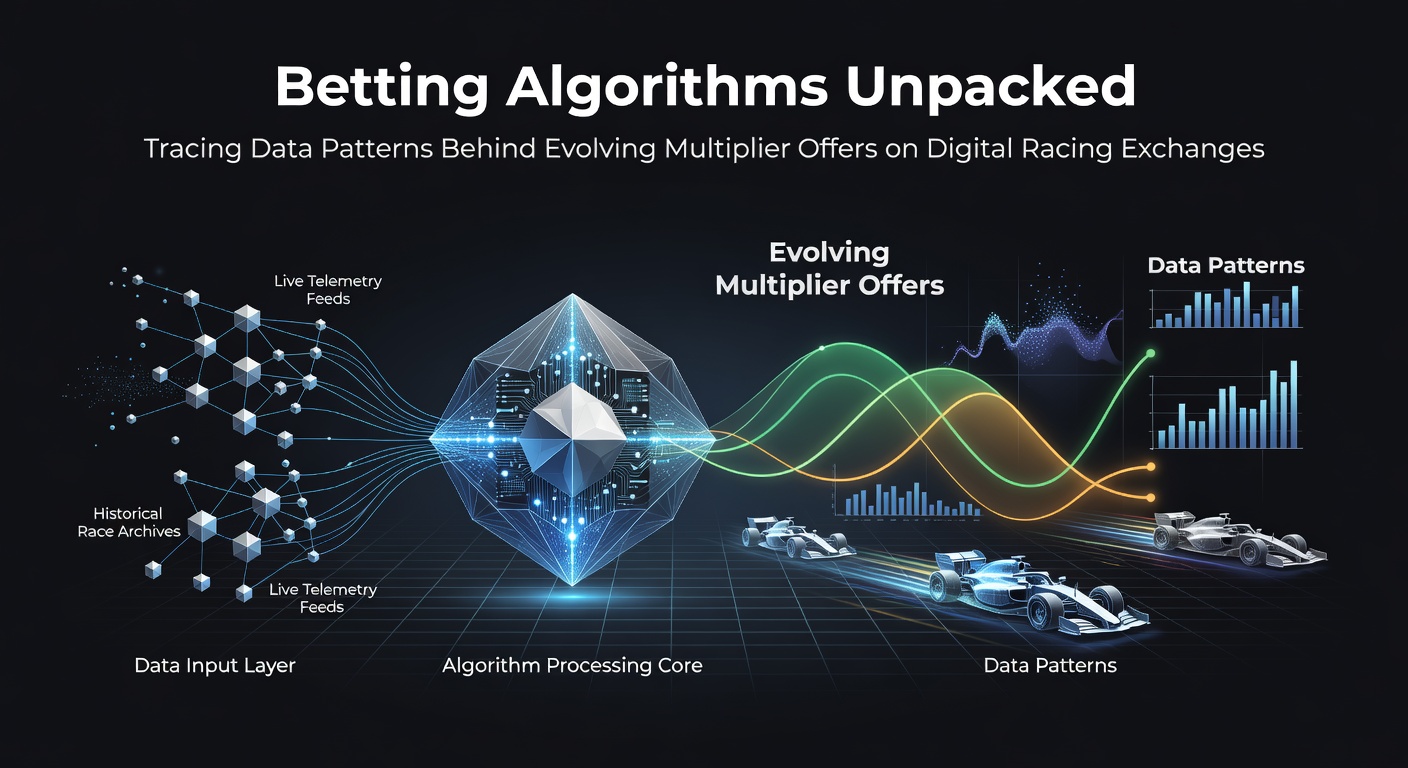
Betting Algorithms Unpacked: Tracing Data Patterns Behind Evolving Multiplier Offers on Digital Racing Exchanges
Betting algorithms in digital racing exchanges rely on layered data streams that track historical race outcomes alongside live market movements, and these systems generate multiplier offers through pattern recognition that adjusts payout boosts based on volume and volatility signals. Observers note that platforms process thousands of data points per second from past performances, jockey statistics, track conditions, and participant betting flows, which allows multipliers to evolve dynamically rather than remain fixed across sessions.
Core Data Inputs Driving Multiplier Calculations
Research from the University of Nevada Las Vegas Center for Gaming Research indicates that algorithms prioritize velocity metrics such as recent speed figures and sectional times while cross-referencing them against current exchange liquidity levels, and this integration creates offers that scale upward when sparse betting activity signals potential for higher engagement. Data shows that platforms incorporate weather feeds and equipment changes into their models, yet the primary triggers remain volume spikes and correlated historical anomalies that suggest untapped value pockets in specific race segments.
Pattern Recognition in Real-Time Exchanges
Algorithms scan for recurring sequences where certain horse profiles coincide with delayed market responses, and they then layer multiplier incentives onto those segments to accelerate participation without disrupting overall odds integrity. Studies from Australian racing analytics groups reveal that multipliers often cluster around mid-race segments where sectional data diverges from public expectations, creating opportunities that shift rapidly as new wagers arrive. Those who've examined exchange logs observe that pattern detection extends beyond single races to include multi-leg sequences, where accumulated data from prior events influences the size and timing of subsequent boosts.
Evolution of Multiplier Structures Across Platforms
Multiplier offers have progressed from simple flat boosts applied uniformly to all users toward tiered structures that respond to individual account histories and aggregate platform trends, and this shift emerged prominently as exchanges expanded their real-time data pipelines through 2025. In May 2026 fresh regulatory filings from several North American jurisdictions highlighted increased scrutiny on how these algorithms weight behavioral data, prompting operators to refine transparency around multiplier triggers while maintaining competitive edges. Platforms now deploy machine learning layers that adjust multipliers within seconds of detecting anomalies in betting velocity, whereas earlier iterations relied on static thresholds updated only at race intervals.
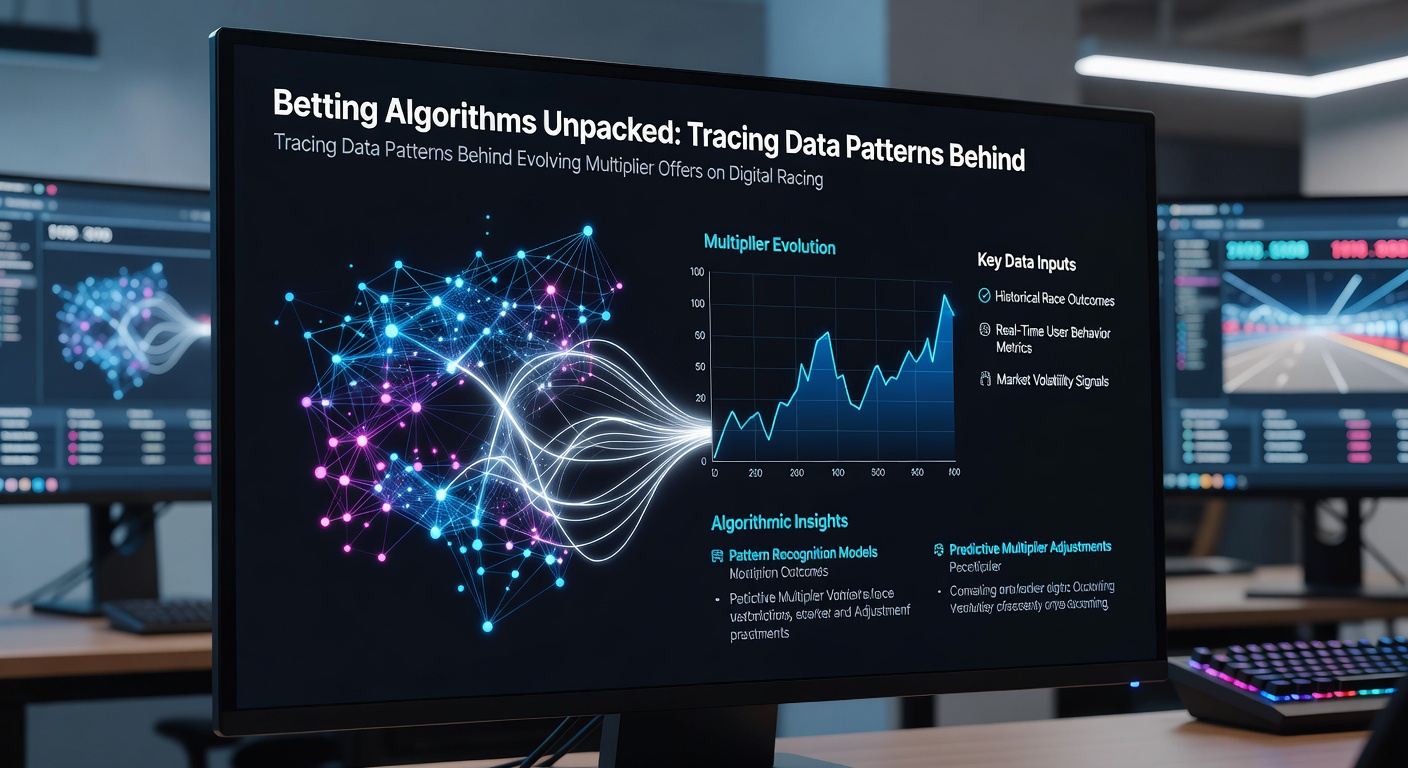
Take one major exchange operator that implemented adaptive multipliers tied to sectional timing variances, and data from that rollout showed a measurable uptick in matched volume during twilight races where visibility factors traditionally suppress late betting. What's interesting is how these systems balance risk by capping maximum multipliers when correlated bets across similar profiles threaten to create concentrated exposure, and this safeguard relies on graph-based modeling that maps connections between seemingly unrelated participants.
Geographic Variations in Algorithm Deployment
European exchanges tend to emphasize regulatory compliance layers that require audit trails for every multiplier adjustment, while Australian platforms integrate more granular environmental data from local track sensors according to reports issued by the Australian Competition and Consumer Commission. Observers note that North American digital racing markets have adopted hybrid models blending exchange liquidity signals with centralized tote data, creating multipliers that respond faster to interstate betting patterns. Those patterns often surface when algorithms detect cross-border interest spikes that diverge from domestic historical norms, prompting targeted offers designed to balance the book without manual intervention.
But here's the thing: even with sophisticated pattern tracing, exchanges still encounter edge cases where sudden external events like last-minute jockey changes disrupt expected data flows, forcing fallback protocols that revert multipliers to baseline levels until fresh inputs stabilize. Industry reports from the American Gaming Association document how these interruptions have decreased as sensor networks and API integrations improved across major racing jurisdictions.
Future Trajectories for Algorithmic Multipliers
Emerging developments point toward greater incorporation of predictive modeling that anticipates multiplier needs before races commence, drawing on aggregated anonymized data pools shared across compliant platforms. Experts have observed that such forward-looking systems could reduce reactive adjustments while preserving the competitive appeal that drives user retention on digital exchanges. Research indicates continued refinement in distinguishing between noise and genuine signals within high-frequency data streams, particularly as quantum-enhanced processing options enter testing phases among larger operators.
Conclusion
Tracing data patterns behind multiplier offers reveals an ecosystem where algorithms synthesize historical, real-time, and behavioral inputs to shape dynamic incentives on digital racing exchanges, and ongoing evolution continues to reflect both technological advances and shifting regulatory landscapes. Those monitoring developments through May 2026 and beyond will likely see further integration of cross-jurisdictional data sources that refine how multipliers align with actual market conditions rather than static assumptions.