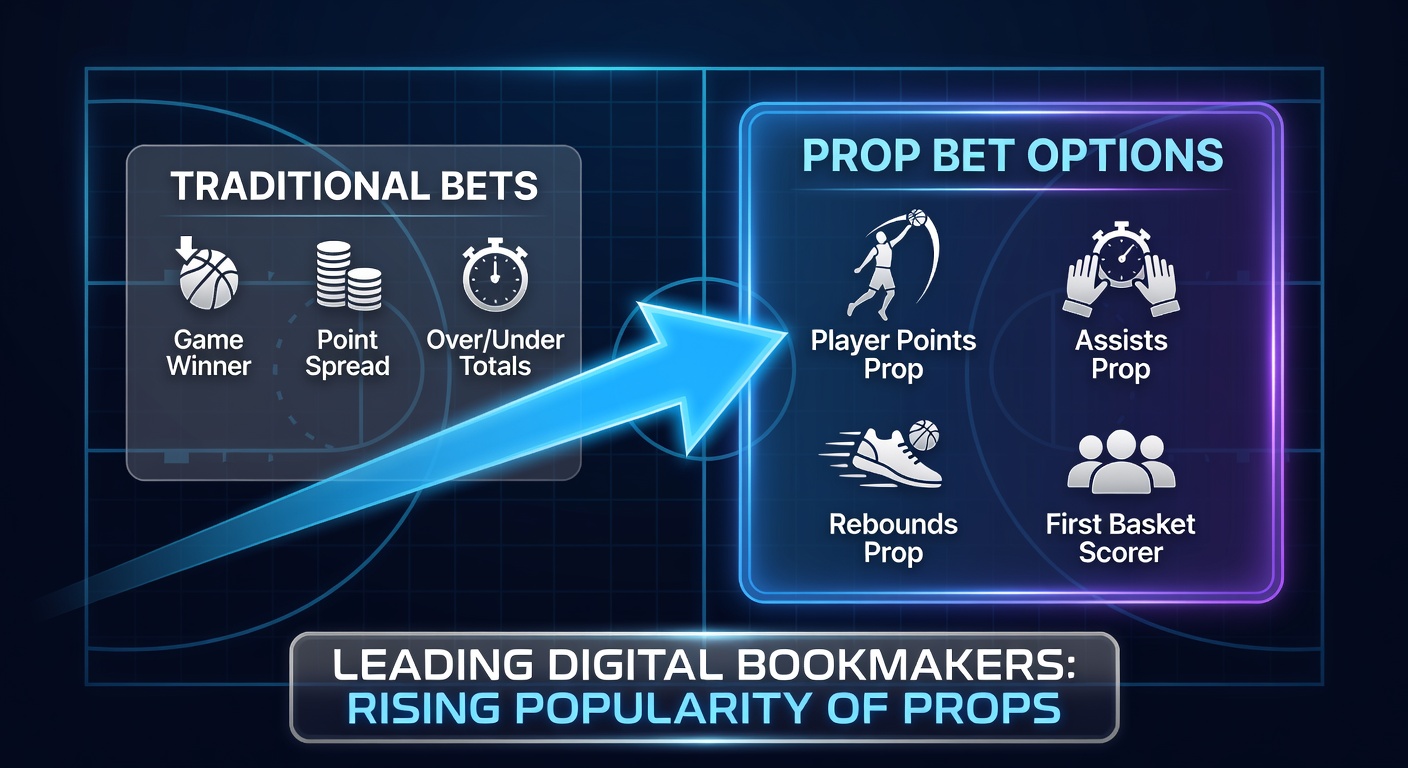
Basketball Prop Bets Gain Traction as Player Preferences Evolve on Leading Platforms
Data from major digital platforms indicates basketball prop bets have drawn increased activity since 2024, particularly in NBA player performance categories such as points, rebounds, and assists. Observers note that users now allocate larger portions of their wagers to these specialized options rather than traditional moneyline or totals markets, and this pattern accelerated through June 2026 as mobile apps refined their interfaces for quick prop selections.
Leading operators including FanDuel, DraftKings, and international sites like Bet365 have expanded their basketball prop offerings with more granular choices, and figures released by the New Jersey Division of Gaming Enforcement show prop bets accounted for roughly 28 percent of basketball handle in the first half of 2026 compared with 19 percent two years earlier.
Market Data Highlights the Change
Industry tracking services report that prop bet volume in basketball rose steadily across regulated U.S. states and several European markets. The American Gaming Association published figures revealing that player props now represent the fastest-growing segment within basketball, outpacing growth in live in-game betting during the same period. Those who follow the data attribute part of the increase to improved real-time statistics feeds that let users place wagers on specific quarters or halves with greater precision.
Digital platforms adjusted their menus accordingly, adding filters that sort props by player efficiency ratings or matchup advantages. One study released by researchers at the University of Nevada, Las Vegas documented how bettors aged 25 to 34 placed prop wagers at nearly twice the rate of older cohorts, and the report linked this behavior to higher smartphone engagement rates during evening NBA games.
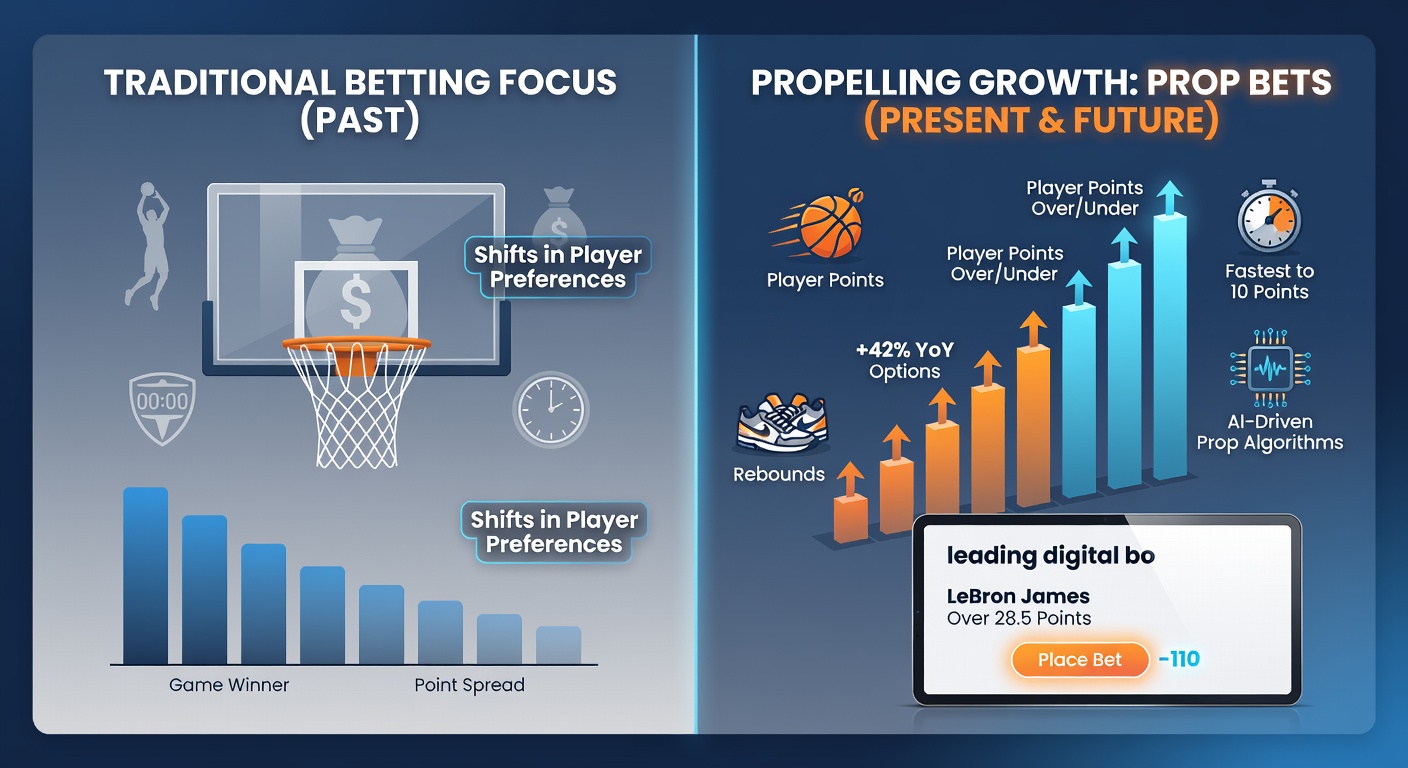
Platform Features Driving the Trend
Bookmakers introduced features such as customizable prop builders and instant cash-out options that apply specifically to basketball player markets. These tools allow users to combine multiple props into a single ticket or exit early when a player's performance reaches a certain threshold. Data shows sessions involving these builders lasted longer on average than standard pre-game bets, which encouraged platforms to promote them more aggressively during the 2025-2026 season.
Operators also adjusted odds more frequently for popular props, responding to live betting patterns that emerge after the first few minutes of play. In markets such as Australia and several Canadian provinces, regulators noted similar upticks, although the absolute volumes remained smaller than in U.S. states with established mobile betting.
Player Segments and Regional Variations
Analysts tracking account activity found that recreational users favored simpler single-player props like over/under points, whereas more experienced bettors gravitated toward combined props involving multiple statistics. Regional differences appeared as well: East Coast platforms recorded higher volumes on Eastern Conference matchups, while West Coast users showed stronger interest in late-night Western Conference games with props centered on bench players.
By June 2026, several operators had introduced loyalty rewards tied directly to prop bet activity, offering bonus credits when users reached certain volumes in basketball player markets. These programs coincided with broader marketing campaigns that highlighted statistical depth rather than simple win probabilities.
Regulatory Context and Data Availability
Authorities in multiple jurisdictions have monitored the rise in prop betting because it relies heavily on granular performance data. The Australian Gambling Research Centre published an overview noting that basketball props require robust verification systems to prevent disputes over official box-score adjustments. Similar discussions occurred in New Jersey and Pennsylvania, where gaming control boards required operators to maintain clear audit trails for all prop outcomes.
Platforms responded by partnering with official league data providers to ensure consistency, and this collaboration reduced the number of voided wagers reported across the 2025-2026 campaign. Observers note that clearer data pipelines helped sustain user confidence even as prop bet complexity increased.
Conclusion
Records compiled through mid-2026 demonstrate that basketball prop bets occupy a larger share of digital bookmaker activity than in previous seasons. The combination of refined mobile tools, expanded statistical categories, and targeted promotions appears to have supported this movement across multiple regulated markets. Continued tracking by industry groups and academic researchers will clarify whether the pattern holds through future seasons or shifts again as new features emerge.