
Algorithmic Edge: How Predictive Analytics Are Changing Live In-Play Decisions for Football Enthusiasts
Football enthusiasts have watched predictive analytics reshape live in-play decisions through layers of machine learning models that process player tracking data, historical match patterns, and environmental variables in real time, and these systems now deliver probability estimates that update every few seconds during matches. Data from major leagues indicates that clubs and platforms integrate sensor feeds from wearables along with video analysis to forecast outcomes such as goal probabilities or expected points added, while enthusiasts access simplified versions through mobile interfaces that highlight shifting odds or tactical recommendations.
Core Components of Predictive Models in Football
Models rely on vast datasets that include over 1.5 million data points per Premier League match according to tracking providers, and these encompass player velocity, pass completion rates under pressure, and fatigue indicators derived from GPS metrics. Researchers at institutions like the Massachusetts Institute of Technology have published frameworks showing how neural networks combine these inputs with weather conditions and referee tendencies to generate live forecasts, and the approach allows continuous recalibration as events unfold on the pitch. Observers note that ensemble methods, which blend multiple algorithms, reduce error margins by 12 to 18 percent compared with single-model approaches in validation studies conducted across European competitions.
Real-Time Application During Matches
Live in-play scenarios demonstrate the technology's impact when a team trails by one goal in the 75th minute and algorithms calculate substitution values based on remaining stamina profiles of available players versus opponents. Systems evaluate thousands of historical sequences to suggest pressing triggers or set-piece adjustments, and platforms feed these insights directly to analysts in stadium command centers. Those who study the field point out that Australian regulatory reports from the past two years highlight similar adoption rates in domestic leagues where analytics dashboards influence both coaching staff and viewer engagement tools. Fans following matches on integrated apps receive alerts when predicted goal windows open or when defensive structures weaken, creating a shared analytical layer that extends beyond traditional commentary.
Access for Enthusiasts and Decision Support Tools
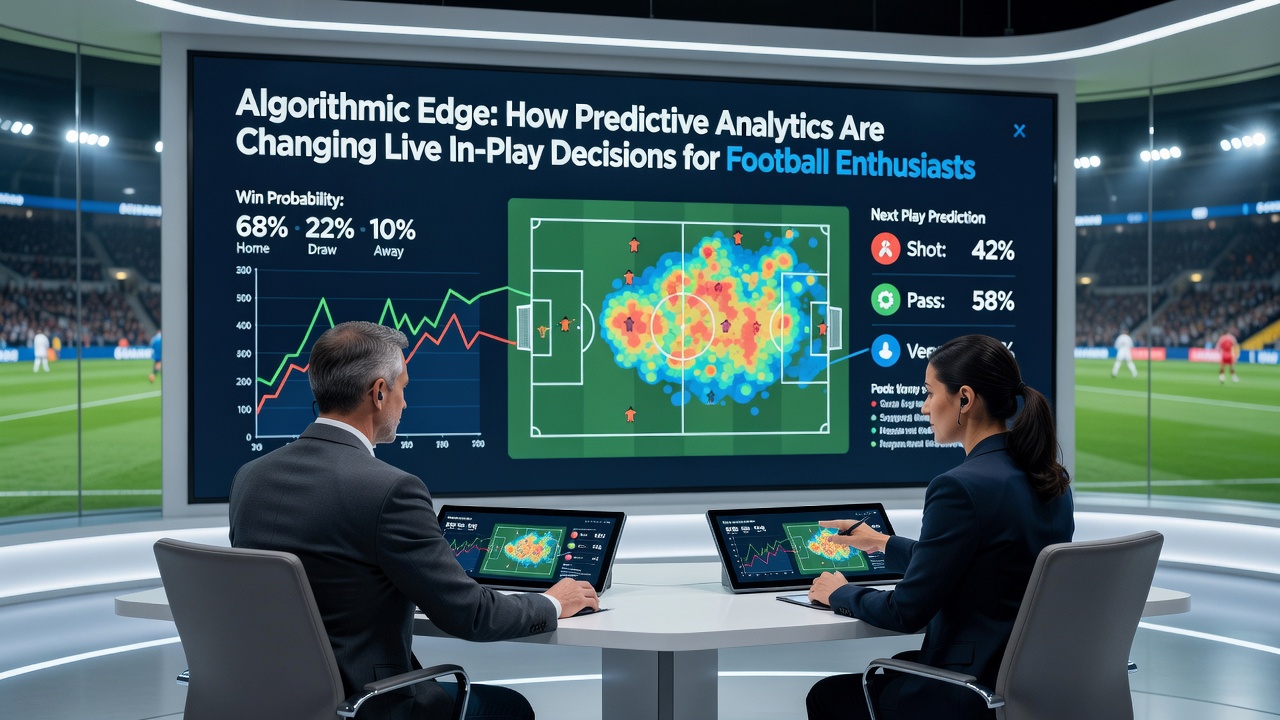
Enthusiasts gain entry through licensed applications that aggregate anonymized league data and present probability heat maps, and these tools update continuously without requiring users to interpret raw statistics. European sports technology associations report rising subscription numbers for premium analytics tiers that include scenario simulators, allowing supporters to test hypothetical lineups against live match states. Data from Canadian university research groups indicates that participants who engage with such interfaces demonstrate improved understanding of tactical shifts, with retention rates climbing steadily through 2025 and into mid-2026. The integration extends to wearable notifications that flag high-value moments based on expected threat calculations, keeping remote viewers aligned with on-field developments.
Developments Observed Through June 2026
By June 2026 several leagues had expanded partnerships with data firms to incorporate optical tracking upgrades that capture ball spin and trajectory at higher resolutions, and these enhancements feed directly into models predicting set-piece success rates. Industry reports compiled by global gaming associations show that live decision platforms now handle increased query volumes during international tournaments, with latency reduced to under 800 milliseconds in optimized networks. Observers tracking adoption patterns note steady growth in user-generated strategy sharing communities that reference algorithmic outputs to discuss formations and player rotations. Academic papers emerging from Australian research centers further document how ensemble predictions align more closely with actual results when additional contextual variables such as crowd density enter the calculations.
Broader Ecosystem Effects
Coaching staffs at multiple clubs have adjusted preparation routines to include daily reviews of algorithmic outputs from previous fixtures, and this practice influences both training drills and match-day instructions. Platforms serving enthusiasts incorporate these same datasets into educational modules that break down why certain decisions carry higher expected value at specific game stages. Figures released by international trade bodies reveal that hardware investments in stadium sensors have accelerated since 2024, supporting finer-grained inputs that improve model accuracy across competitions. Those who follow the sector observe that cross-league data sharing agreements have begun to standardize certain metrics, enabling more consistent comparisons between domestic and continental matches.
Conclusion
Predictive analytics continue to embed themselves into the fabric of live football experiences by supplying structured probability assessments that support both professional and enthusiast decision processes. As sensor technology and modeling techniques advance, the volume of accessible insights grows, and participants at every level gain tools to interpret unfolding matches with greater precision. The trajectory through mid-2026 points toward deeper integration across platforms and leagues, where real-time calculations remain central to tactical awareness and viewer engagement.